
How much does video production cost in Melbourne? A 2026 pricing guide
Real Melbourne video production prices in 2026. What $4,000, $9,000, $20,000, and $50,000+ each get you, plus what changes when you shoot across the inner north, the CBD, and Port Phillip Bay.
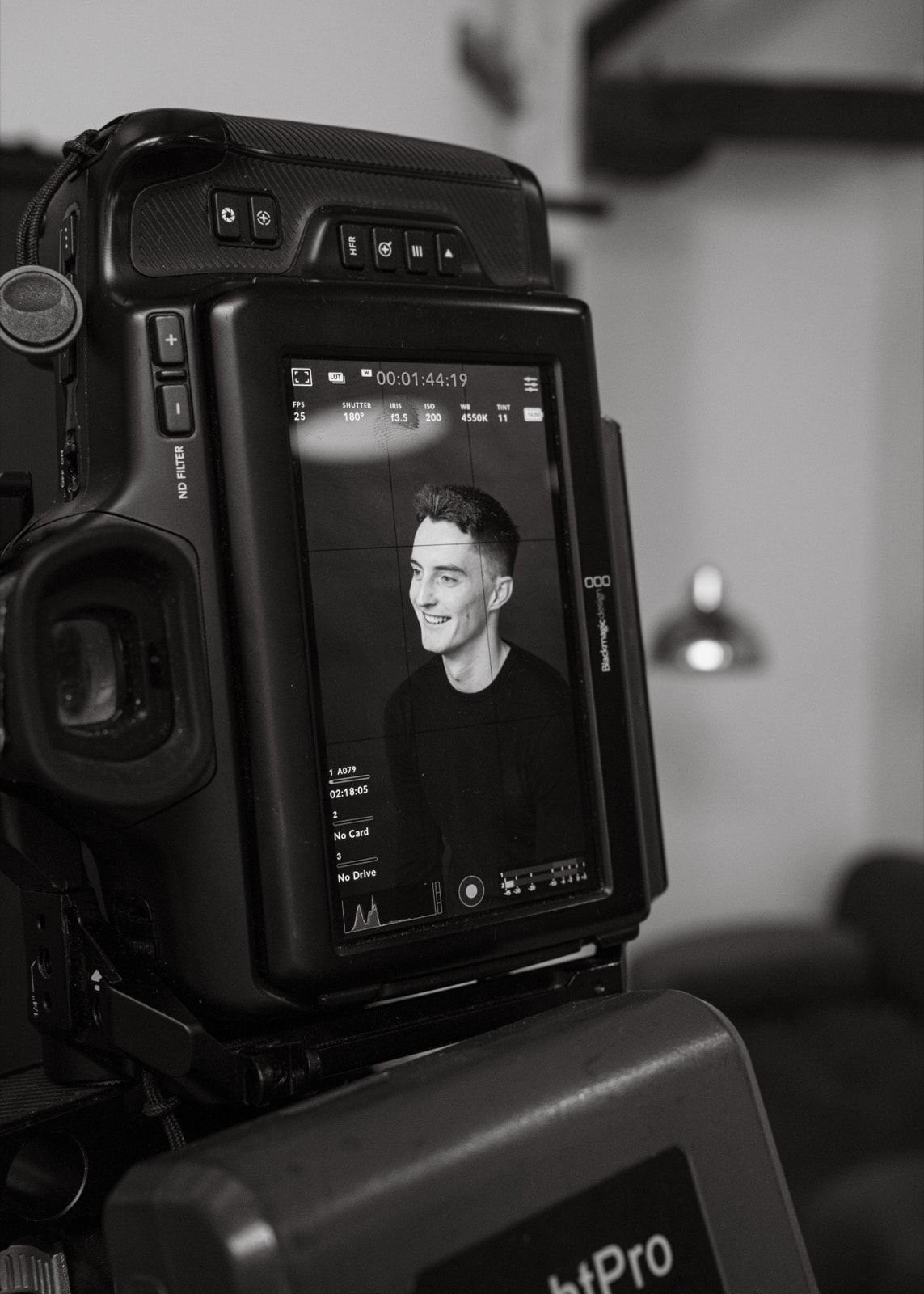
Video production in Melbourne in 2026 costs anywhere from about $3,500 for a one-day shoot with a single deliverable up to $80,000+ for a multi-day commercial with talent, drone, and a full crew. The gap is not arbitrary. At the low end you are paying for a small crew, one location, and a tight edit. At the high end you are paying for a director-led production with a DOP, gaffer, sound recordist, art department, stylist, talent, and a post-production timeline measured in weeks.
The reason this is hard to answer cleanly is that 'video production' covers everything from a half-day talking-head shot in a Collingwood studio to a TVC running on Channel Nine with a name director attached. Most Melbourne agencies refuse to publish prices, which makes the market feel unknowable. It is not. It is just unpublished.
This post breaks the Melbourne video production market into five real brackets, walks through the cost drivers most agencies hand-wave past, and covers the city-specific variables that only matter once you are shooting between Brunswick and Port Melbourne. We run Lucky Boy out of a Collingwood studio, so the brackets below are sense-checked against work we ship every month, not borrowed from a Sydney rate card. The same logic that drove our Gold Coast video pricing breakdown applies here, swapped for the realities of Victorian production.
Skip ahead if you want: the at-a-glance pricing, what actually drives the price, what changes when you shoot in Melbourne specifically, three real project examples, why the cheapest quote is rarely the right one, and an FAQ.
Melbourne video production cost at a glance
Five brackets cover almost every legitimate video production engagement in Melbourne in 2026. Anything cheaper than the first bracket is usually a smartphone-and-a-friend job, which has a place but is not what we are talking about here. Anything more expensive is a national or international campaign, not a Melbourne spend.
Bracket 1: $3,500 to $7,000. Single-day shoot, one deliverable. Small crew, one location, light pre-production, a clean edit. Right for a single brand film, a founder talking head, or a one-cut piece for paid social.
Bracket 2: $5,000 to $9,000. Half or full-day brand or social shoot, two to four deliverables. Same single-day footprint, but the day is engineered to capture for multiple cuts. Right for businesses that want a campaign starter pack rather than a single hero asset.
Bracket 3: $9,000 to $20,000. Full brand film, scripted, multi-deliverable. Two to three shoot days, a writer involved at the front, a real edit and grade pass at the back. Right for a launch, a rebrand, or any brand that needs a centrepiece film plus the cuts to feed a campaign across paid and organic.
Bracket 4: $25,000 to $80,000+. High-end commercial, TVC, or multi-day campaign. Director-led production, full crew with DOP, gaffer, sound, art department, stylist, talent, drone where briefed, and a post-production timeline measured in weeks. Right for media buys that need a piece of work the audience won't scroll past.
Ongoing content retainer: $4,000 to $15,000 per month. Half-day or full-day shoot every month, plus design and edit, plus posting and replies. The economics work because the shoot day is fixed and the content multiplier scales with how disciplined the editor is. Right for brands that want consistent organic and ad creative without commissioning a one-off shoot every quarter.
Most Melbourne small businesses sit in brackets two or three. Hospitality, retail, and B2B service brands competing in saturated categories sit in brackets three or four. The honest line: if you are sub-$1M revenue and the video is a one-off, bracket two is fine. If the video has to do real work over the next twelve months, bracket three is where the maths starts to land. Above $10M revenue with a real media spend, bracket four becomes the right tier for hero campaigns.
What actually drives the price
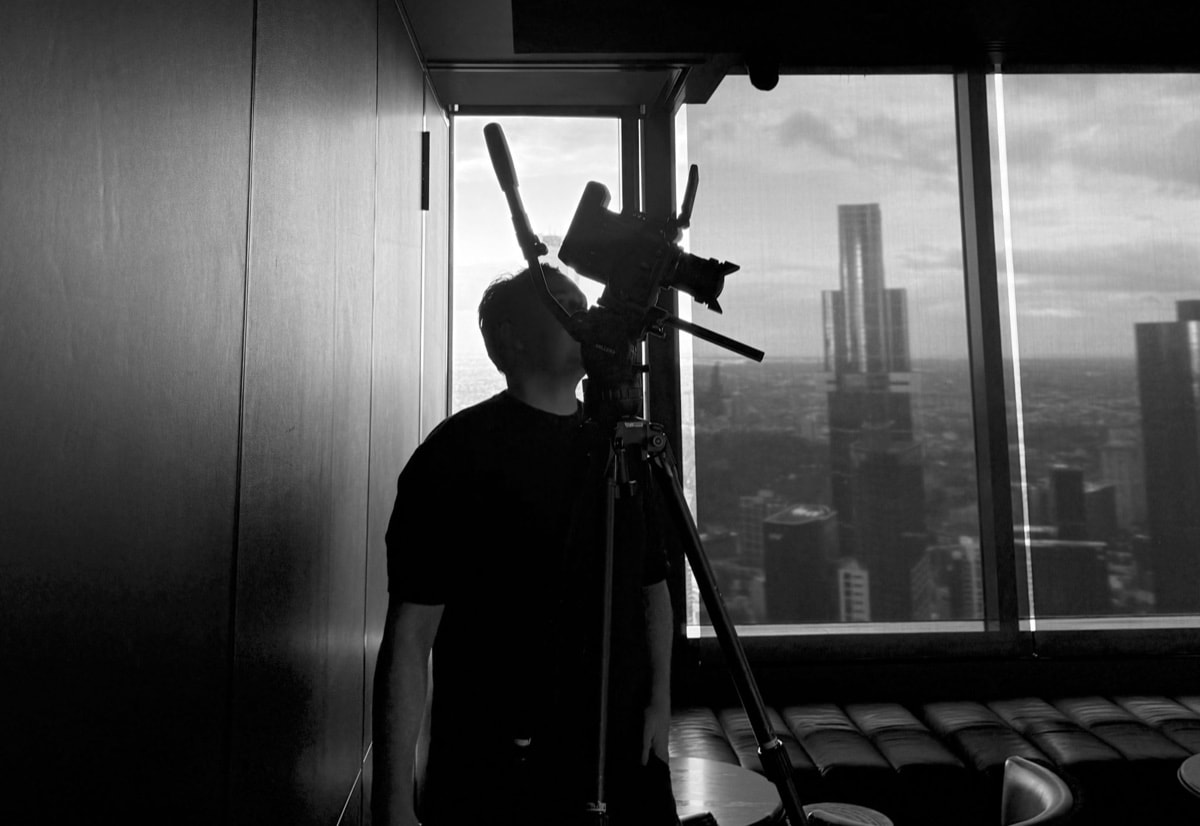
Most cost differences come from the same nine variables. Knowing them is the difference between sense-checking a quote and getting talked into one.
Pre-production. The work that happens before the shoot day. Concept, script, shot list, talent casting, location scouting, treatment. A bracket-one shoot has half a day of pre. A bracket-four shoot has weeks of it, and that is where most of the strategic value of a senior team shows up.
Crew size. A solo shooter is around $1,200 to $1,800 a day. A two-person crew (camera operator plus producer or sound) is $2,500 to $3,500. A full crew with director, DOP, gaffer, sound, and a stylist is $7,000 to $15,000 a day before kit and talent. Crew size scales with shot complexity, not with how big the brand is.
Shoot days. Each additional day is rarely just an extra crew rate. It is another day of producer time, another travel cost, another hire on the kit, and another night of the location lock. Two-day shoots are not double a one-day shoot. They are closer to 1.6x to 1.8x because the pre and post don't repeat.
Talent. Real talent (actors, presenters, voice-over) usually runs $800 to $5,000 per shoot day plus usage. If the spot is going on free-to-air or paid digital, usage fees can run the same again. Founder-led or staff-led shoots remove this line entirely, which is why bracket-one and bracket-three productions skew that way.
Locations. Studio days are cleaner and cheaper. On-location shoots can run another $500 to $4,000 in permits, parking, and venue rate-cards. Melbourne has a denser permit market than the Gold Coast or Brisbane, which is both a constraint and an opportunity. More on that below.
Equipment tier. A Sony FX3 with a primes kit is bracket-two and three territory. An ARRI Mini LF with cinema lenses, a gimbal, a licensed-pilot drone, and a lighting truck is bracket four. Kit is rented per day and adds $1,000 to $6,000 a day depending on the package.
Post-production. The edit is rarely the slow part. Grade, sound design, motion graphics, music licensing, and revisions are. A simple edit is two to four days. A full post pass on a brand film is two to four weeks. Post is usually 30 to 50 per cent of the total budget on a bracket-three job. The way we run it inside our video production services is to scope the post pass at brief, not at delivery.
Deliverables count. The same shoot day can yield one hero film, three social cuts, or twenty-five short-form pieces, depending on the brief. Deliverables are the cheapest thing to add at the front of a project and the most expensive thing to add at the end.
Music and revisions. Royalty-free tracks are $50 to $300. Premium catalogues like Musicbed or Artlist run $250 to $1,500. A custom score is $3,000 to $20,000+ and is almost never the right call below bracket four. Every agency builds in two rounds of revisions; additional rounds get charged at a day rate. Most budget overruns we see come from round-three feedback that should have been raised at round one.
What changes when you shoot in Melbourne specifically
Most agencies write the same pricing guide whether the shoot is in Sydney, Brisbane, or here. That is lazy. Melbourne has its own location laws, its own crew market, and its own light. Any of them can save you money or eat your budget if you do not plan around them.
Permits across three councils. Most inner-Melbourne shoots cross at least one council line: City of Melbourne (CBD, Carlton, North Melbourne, Docklands, Southbank), City of Yarra (Collingwood, Fitzroy, Richmond, Abbotsford), and City of Port Phillip (Port Melbourne, South Melbourne, St Kilda, Albert Park). Each council has its own film-permit office, fee schedule (typically $200 to $800 per location), and lead time (usually 5 to 15 business days). Producers who have pulled permits from each get the application in cleanly the first time; producers who have not learn the hard way.
Federation Square, Crown, and the Yarra. Federation Square requires a separate permit through Fed Square Pty Ltd, currently $500 to $2,500 plus a hold-harmless agreement. Crown Casino interiors and exteriors require Crown Resorts location agreement, which is the slowest and most expensive permit in the city. The Yarra River foreshore is split between three councils depending on which bank and which stretch, so most "by the river" shoots actually need two permits, not one. None of these are deal-breakers, but they all need a producer who has worked the city before.
Public transport corridors. Trams, trains, and Southern Cross Station all require Public Transport Victoria approval for any commercial filming on or visibly featuring infrastructure. Lead time three to four weeks, fees $400 to $2,000 depending on disruption. Worth the work for the visual; not worth winging.
Crew availability. Melbourne has Australia's deepest production crew market outside Sydney. A senior DOP, gaffer, and sound recordist team is bookable inside a week for most weekday slots. The trade-off is that rates are about 5 per cent below Sydney but 10 to 15 per cent above the Gold Coast. For brackets one to three, hiring local is almost always tighter than flying a Sydney crew down. For bracket four, you are usually hiring a specific director or DOP whose work justifies the additional spend.
Daylight and weather. Melbourne winter (June to August) is famously moody: flat overcast light, short days, and a 30 per cent chance of rain on any given shoot day. Pre-light heavily and accept the colour grade will lift the saturation in post. Spring and autumn are the cleanest light, particularly the second half of October and the first half of April. Summer (December to February) is high contrast and high heat in the morning, then heat haze in the afternoon, so bias the call sheet to a 6am to 11am window.
Public density. The CBD is busy weekday lunch and after-work; Saturday morning is usually the quietest window for street-level shoots. Lygon Street, Chapel Street, and Brunswick Street are reliably hectic on weekends but workable mid-week mornings. Locked-off venues (warehouses in Cremorne, studios in Collingwood, the Carlton Brewery loft network) are the cheapest way to get controlled environments without permit lead times.
Three real Melbourne projects at different price points
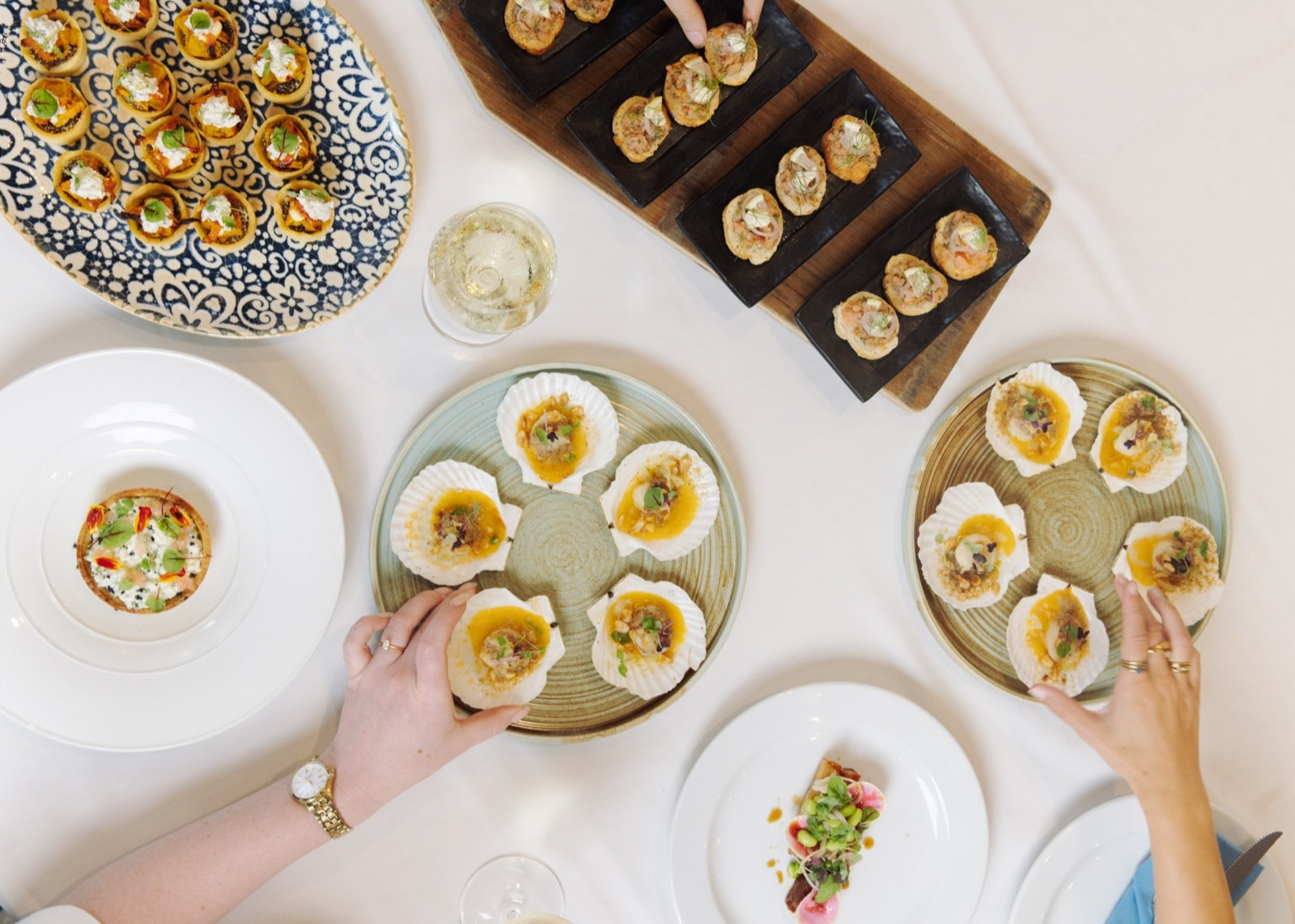
Anonymised but real-shaped. Numbers are inclusive of pre, shoot, post, and one round of revisions, ex-GST, in 2026 dollars.
Hospitality group, ongoing retainer ($6,500 per month). A multi-venue Melbourne hospitality brand running content across three properties. Half-day shoot every month rotating through the venues, three to four social cuts a week per venue, hero photo and video assets every quarter. The retainer covers the producer, the shoot crew, the editor, the designer, and the scheduling. The economics work because the shoot day is the fixed cost and the multiplier scales with how disciplined the brief is.
B2B brand film for a financial services firm ($16,000). A two-day shoot for a Melbourne advisory firm: day one in the office with partners, talking-head interviews and team B-roll, day two off-site at a client location for case-study coverage. Three deliverables: a 90-second hero film for the homepage, a 60-second cut for LinkedIn, a 30-second cut for paid Meta. Post took three weeks because the grade had to match the brand identity work upstream. Fraser & Partners is the closest spine for this shape of project.
Property development hero film ($35,000). A three-day shoot for a Melbourne residential development: day one drone and exterior in early-morning autumn light, day two on-site with talent and presenter sequence, day three interiors at golden hour. Director-led production, full crew, custom score, and a four-week post window. Deliverables: a 2-minute hero film, a 60-second sales-centre cut, a 30-second campaign cut, and a stills library for print and digital.
All three sit in different brackets and all three were the right tier for the brief. The mistake is buying bracket two when the work needs bracket three, or buying bracket four when the brand isn't ready to use the asset properly. If you want to see how the team scopes a brief into the right bracket, the same logic carries from initial call to fixed quote.

Why the cheapest quote is almost never the right one
When a Melbourne quote comes in 30 to 40 per cent below the others, four things usually got cut: pre-production planning, sound, grade, and revisions. None of them are visible in the line items. All four are visible in the final film.
Pre-production cuts show up as bad blocking, missed coverage, and an edit that has to be rescued in post. Sound cuts show up as muddy dialogue and music that fights the voice-over. Grade cuts show up as a film that looks fine on the agency's monitor and washed-out on a phone. Revision cuts show up as a project that ends with the brand still not happy and no budget left to fix it.
There is a place for cheap. A founder-led talking head shot in a Collingwood studio for $4,000 is a real piece of work, and you should buy it from the cheapest competent crew you can find. There is no place for cheap when the asset is going on TV, into a sales suite, or fronting a brand for the next two years. Pay the bracket the work needs.
How to get a real Melbourne video quote
Send the agency four things and the quote will be accurate to within 10 per cent. Skip any of them and the quote becomes an estimate, which is the polite word for guess.
One: a one-paragraph description of the business, the audience, and what the video has to do (drive trial, convert leads, build brand, recruit).
Two: a list of deliverables (hero film length, social cuts, pre-rolls, stills, paid placements). Deliverables drive shoot-day count and post-production scope more than anything else.
Three: an honest budget range. Not the smallest number you hope to pay. The actual range you can spend. Agencies cannot scope to "we have not decided." They can scope to "$8,000 to $20,000."
Four: a launch or release date. Production timelines flex backwards from the launch, not forwards from the brief.
Frequently asked questions
- How much does a one-day video shoot cost in Melbourne?
- A one-day video shoot in Melbourne in 2026 runs from about $3,500 for a small crew and a single deliverable up to $9,000 for a senior crew with a director, DOP, and a more demanding location. Most one-day shoots for businesses sit between $5,000 and $7,500, inclusive of pre-production, the shoot, and a single round of revisions on the edit.
- What's the cheapest way to produce a professional brand video in Melbourne?
- A founder-led half-day shoot in a fixed studio with a small crew is the cheapest way to produce a usable brand video. Budget around $3,500 to $5,000 for a single deliverable. The trade-off is no on-location footage and limited talent options, but for a launch or a refresh it is often the right tier and the production discipline is what makes it work.
- How long does a Melbourne video production take from brief to delivery?
- From brief to first cut is usually three to six weeks for a one-day shoot in brackets one and two. A bracket-three brand film runs six to twelve weeks. A bracket-four commercial with multiple shoot days, talent, and a custom score runs twelve to twenty weeks. Council permits and stakeholder approvals are the most common reason timelines slip; locking the approver list at kickoff cuts that risk in half.
- How much does a brand film cost in Melbourne?
- A scripted, multi-deliverable Melbourne brand film typically costs $9,000 to $20,000 in 2026. The lower end is two shoot days with a small crew and a tight edit; the upper end is a director-led production with a writer, custom grade, and three or more deliverable cuts. Most launches and rebrands sit at the upper end because the asset has to do real work across paid and organic for the next twelve to twenty-four months.
- How much does a TVC cost in Melbourne?
- A TVC produced in Melbourne for free-to-air or premium digital placement typically runs $40,000 to $150,000+. Director-led production, full crew with DOP, gaffer, sound and stylist, talent with usage rights, drone where briefed, custom score, and a post-production timeline of three to six weeks. The fee scales with talent (real actors plus usage), shoot days, and whether the spot needs international or rights-cleared music.
- What's included in a Melbourne video production quote?
- A proper quote lists pre-production, crew, kit, shoot days, locations and council permits, talent, post-production (edit, grade, sound design, music), revisions, and deliverables. If any of those are missing or sit under a single line item, ask for them broken out. Lump-sum quotes are not faster to read; they are easier to underdeliver against.
- How much should a small Melbourne business spend on video?
- A useful rule is half to three times your monthly marketing spend. A Melbourne small business spending $5,000 a month on ads is proportionate at a $5,000 to $15,000 video investment per project. Pre-revenue brands often start with a single $4,000 to $6,000 shoot. Businesses with revenue and an active media spend should expect bracket-three numbers ($9,000 to $20,000) for a hero film.
- Do you charge by the day or by the project?
- Both, depending on the brief. Day rates are simpler for content shoots and short retainers, where the deliverable count flexes with what the day produces. Project rates are tighter for brand films and commercials, where the deliverables are locked at the brief and the team is being paid against the outcome rather than the hours. Project rates are usually quoted with two rounds of revisions included.
- How many videos can I get from a single Melbourne shoot day?
- About 25 short-form video pieces, 10 photo posts, and 5 designed graphics from a typical half-day shoot, briefed properly and shot for multiple cuts. A full-day brand shoot can produce a 90-second hero film, a 60-second social cut, a 30-second pre-roll, plus 8 to 12 short-form cuts and a stills library. The number scales with how disciplined the brief is, not how long the camera was rolling.
- Do you handle the council permits and PTV approvals?
- Yes. Producer time covers permit applications across City of Melbourne, City of Yarra, and City of Port Phillip, plus PTV approvals where the shoot involves trams, trains, or Southern Cross. Lead times run 5 to 15 business days for council permits and 3 to 4 weeks for PTV. Federation Square and Crown require their own permits which we apply for through their respective offices.
Get a quote
Brief us, get a real Melbourne quote.
Send a one-line brief and a budget range. We come back with a fixed quote inside 48 hours, scoped to the bracket your project actually needs. Collingwood studio, Australia-wide shoots.