Three days with Providore Global: a kitchen in Mullumbimby, a farm in Garah
Three days for Providore Global. Day one in the kitchen with chef Ian Oakes, then a light plane out to the farm at Garah for the feedlot, the crop and the cattle.
Three days, two very different corners of New South Wales, and one very small plane. We were back with Providore Global for the biggest shoot we have done with them: a day in the kitchen on the coast, then two days on the farm that supplies it.
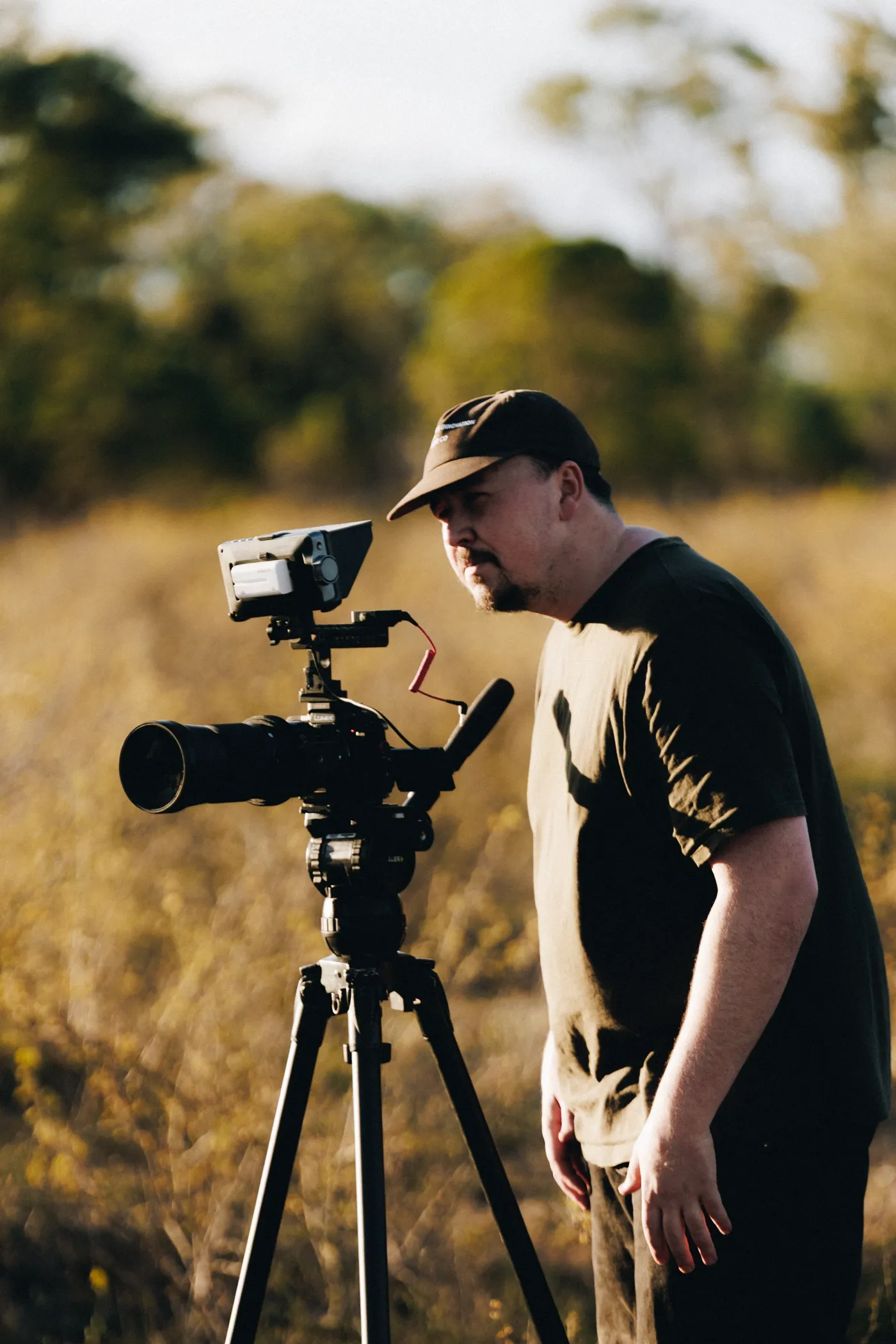
Here is how it went, shot on phones between setups.
Day one: the kitchen
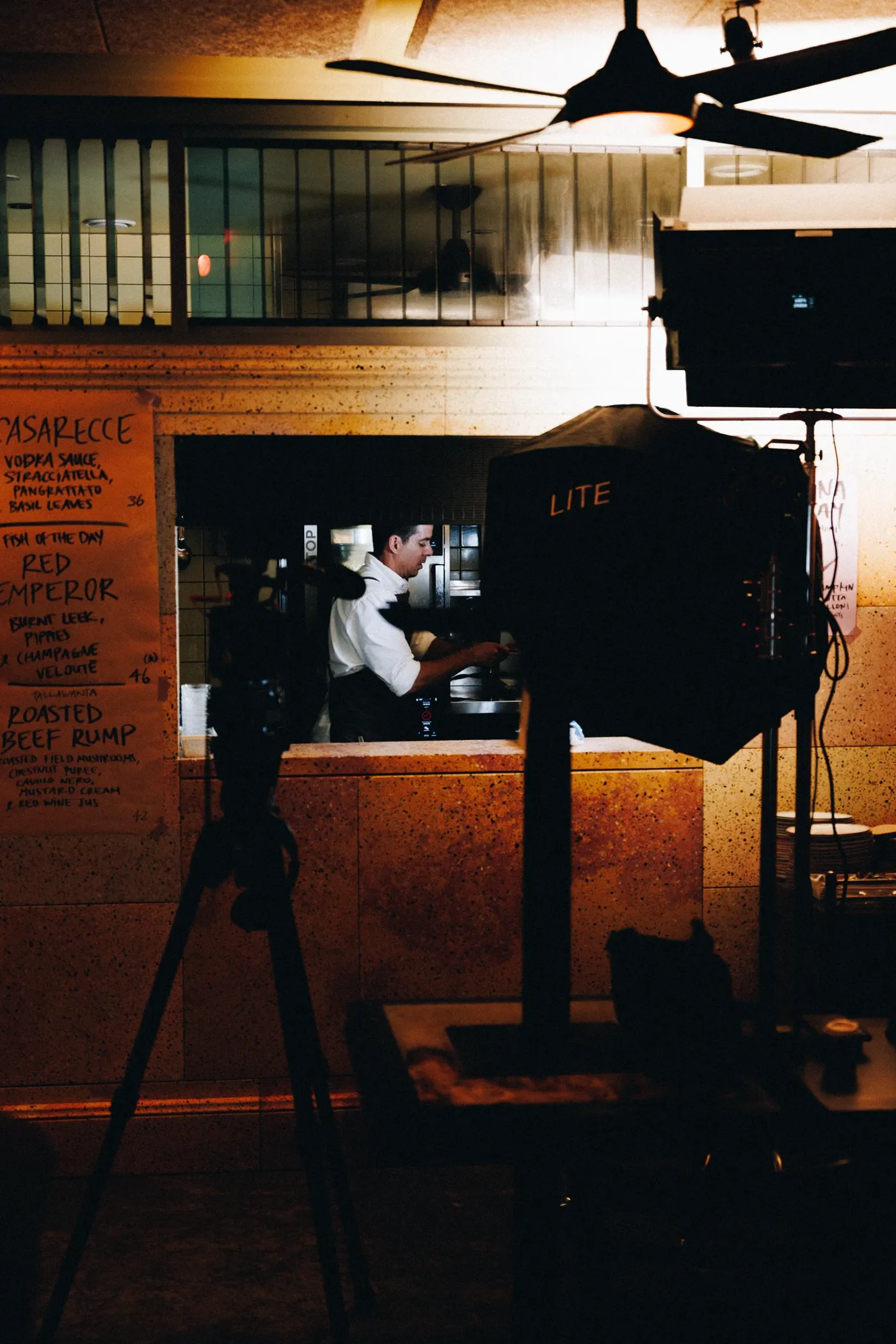
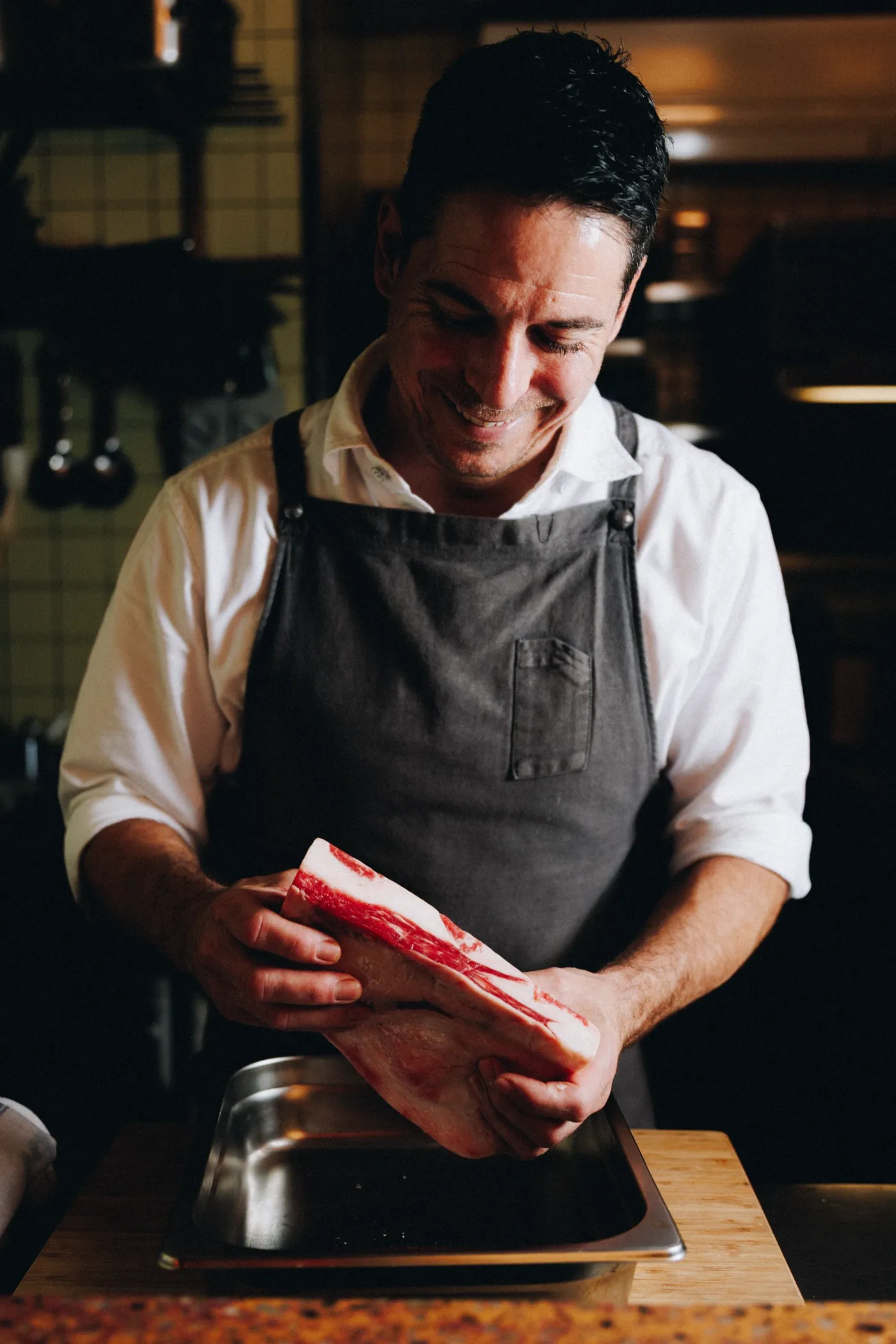
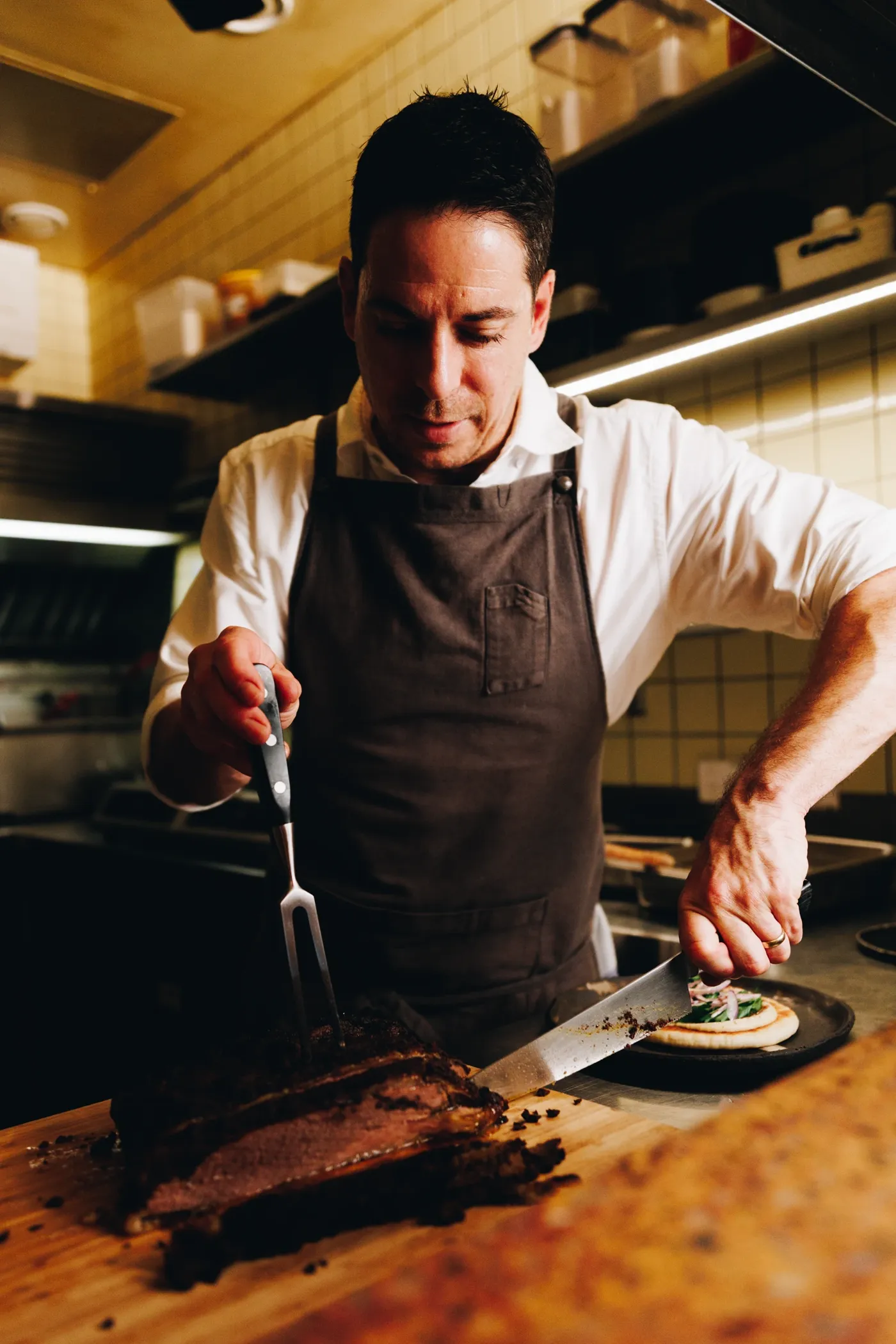
We started in Mullumbimby with chef Ian Oakes, who we last shot with in Byron Bay. One kitchen, one day, and a list that had to cover more formats than a normal food shoot.
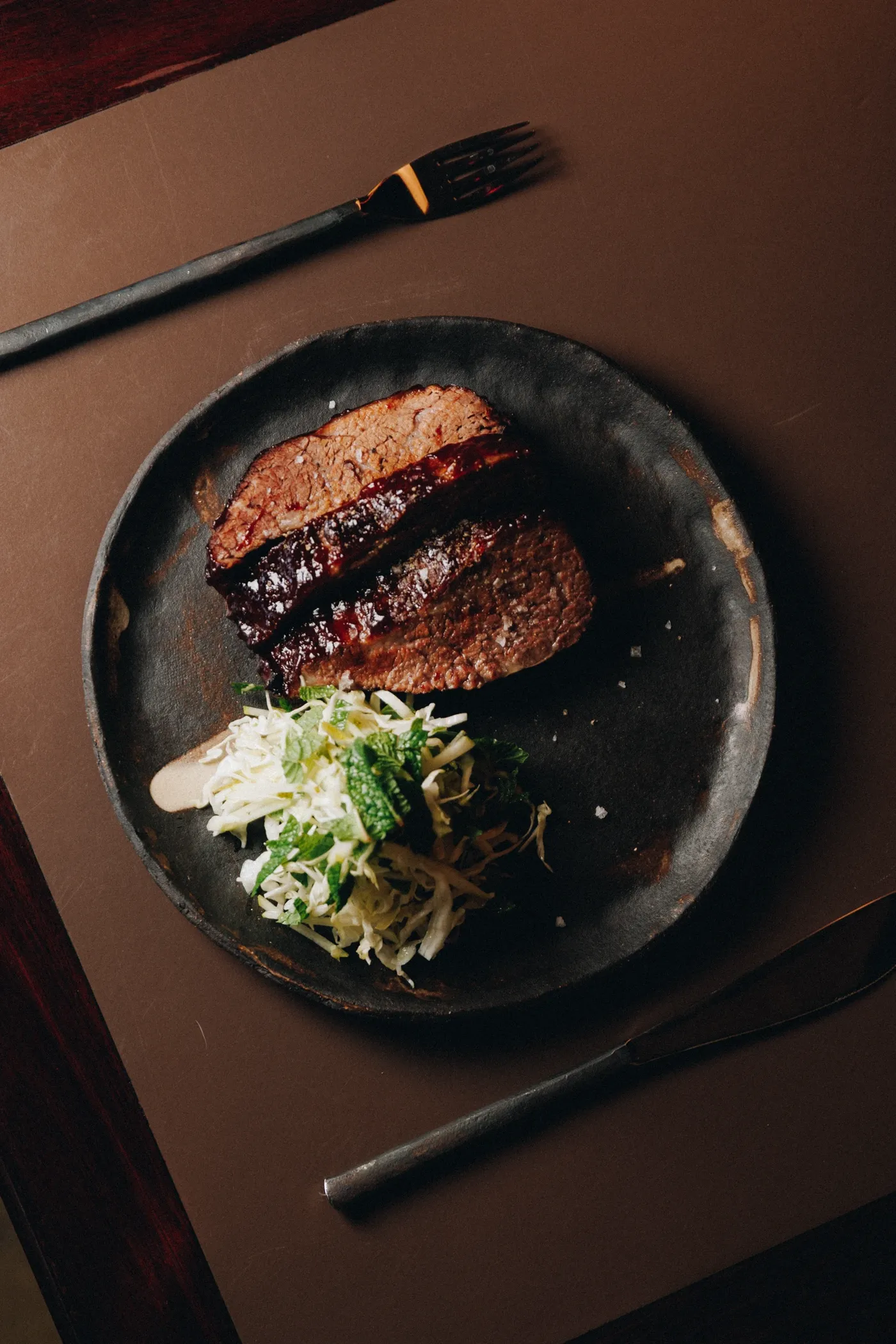
Recipe content was the spine of it: the cut going into the pan, the rest, the slice, the plate. Around that we pulled short-form vertical for social, stills for print, and a set specifically framed for trade show panels, which need to read from across a hall rather than at arm length on a phone.
Shooting all of that in one pass is the only way it makes sense. The lighting is up, the chef is there, the product is at temperature. Coming back for the trade show set on another day would double the cost and halve the consistency.
Getting to Garah
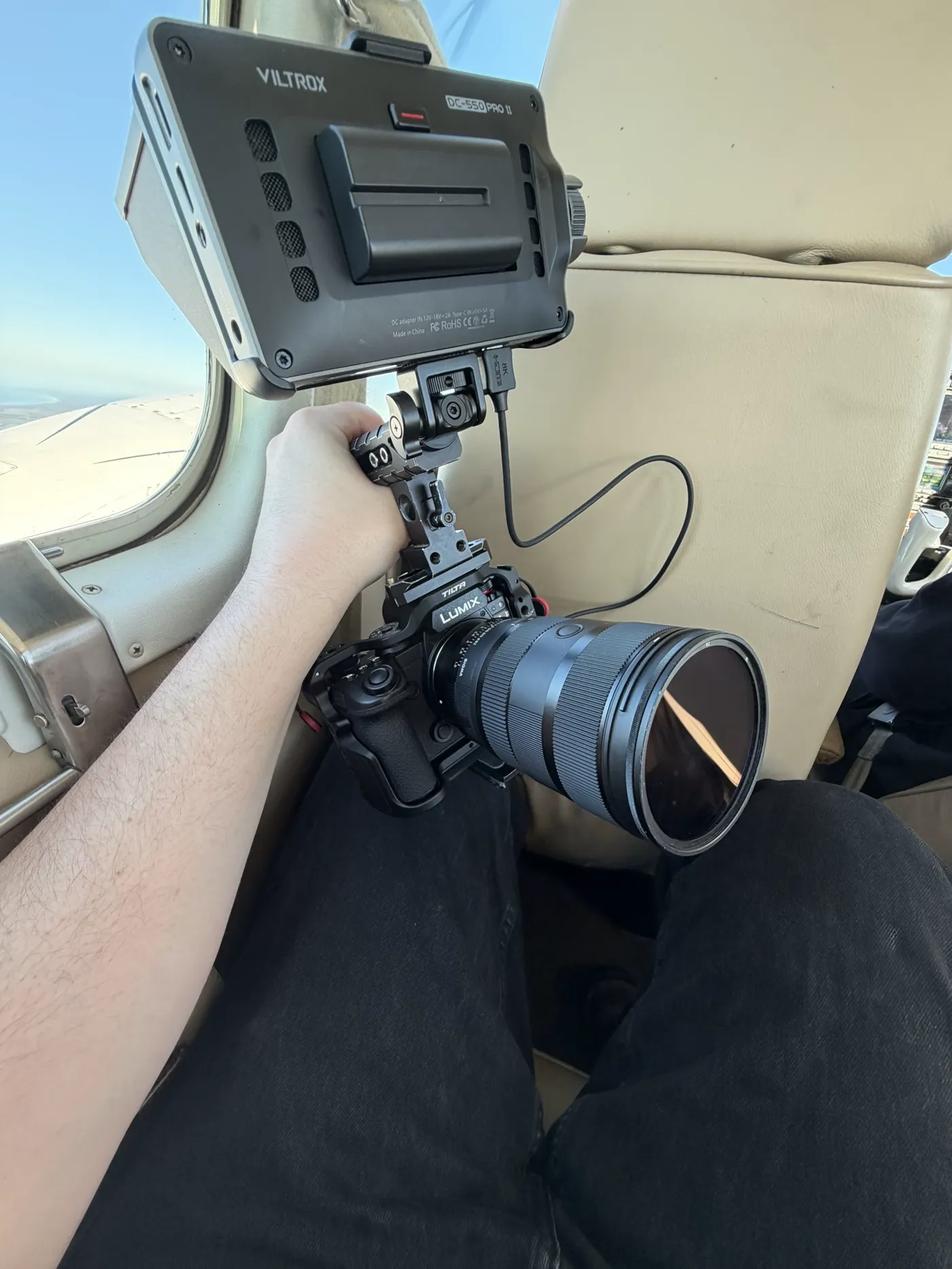
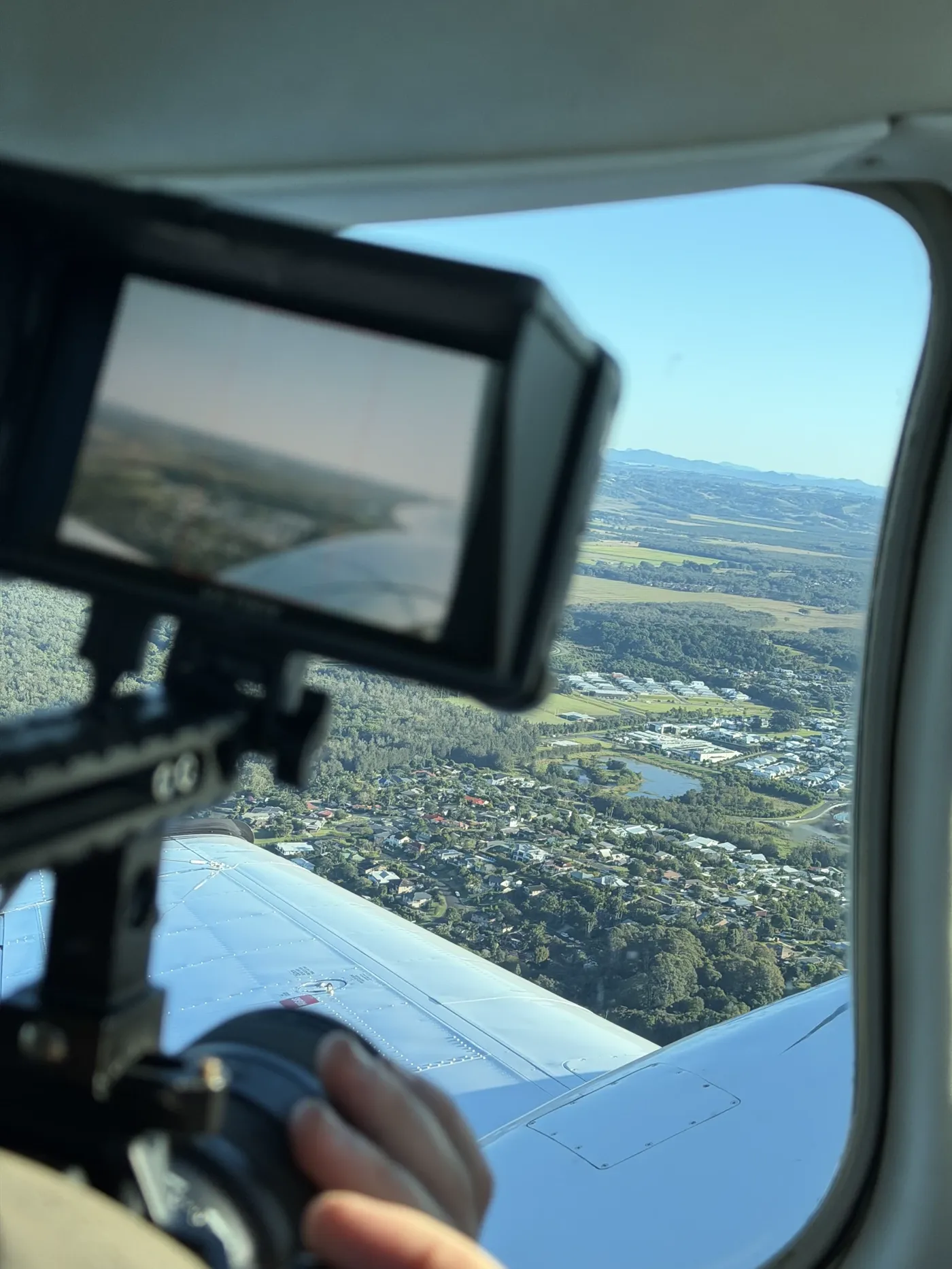
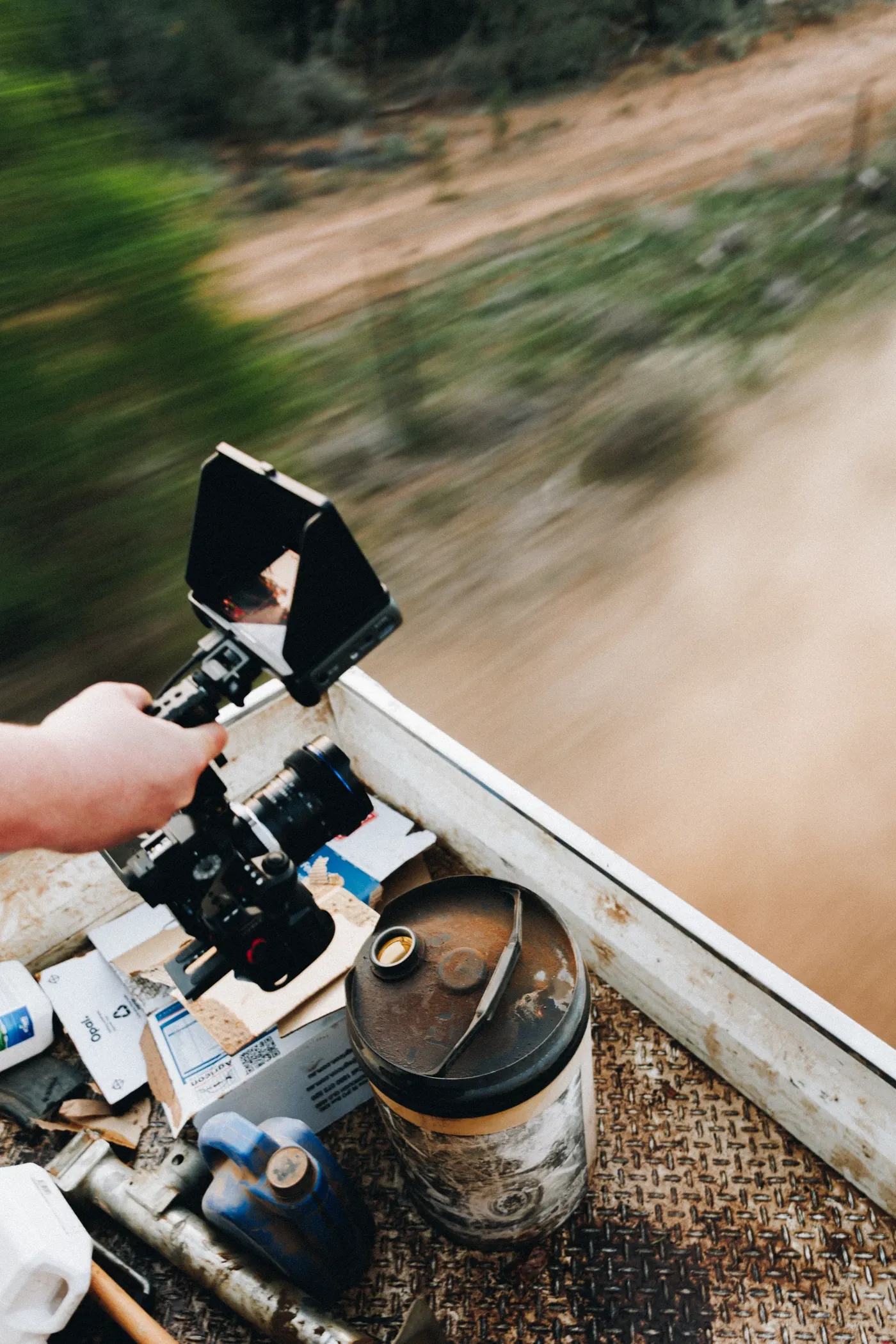
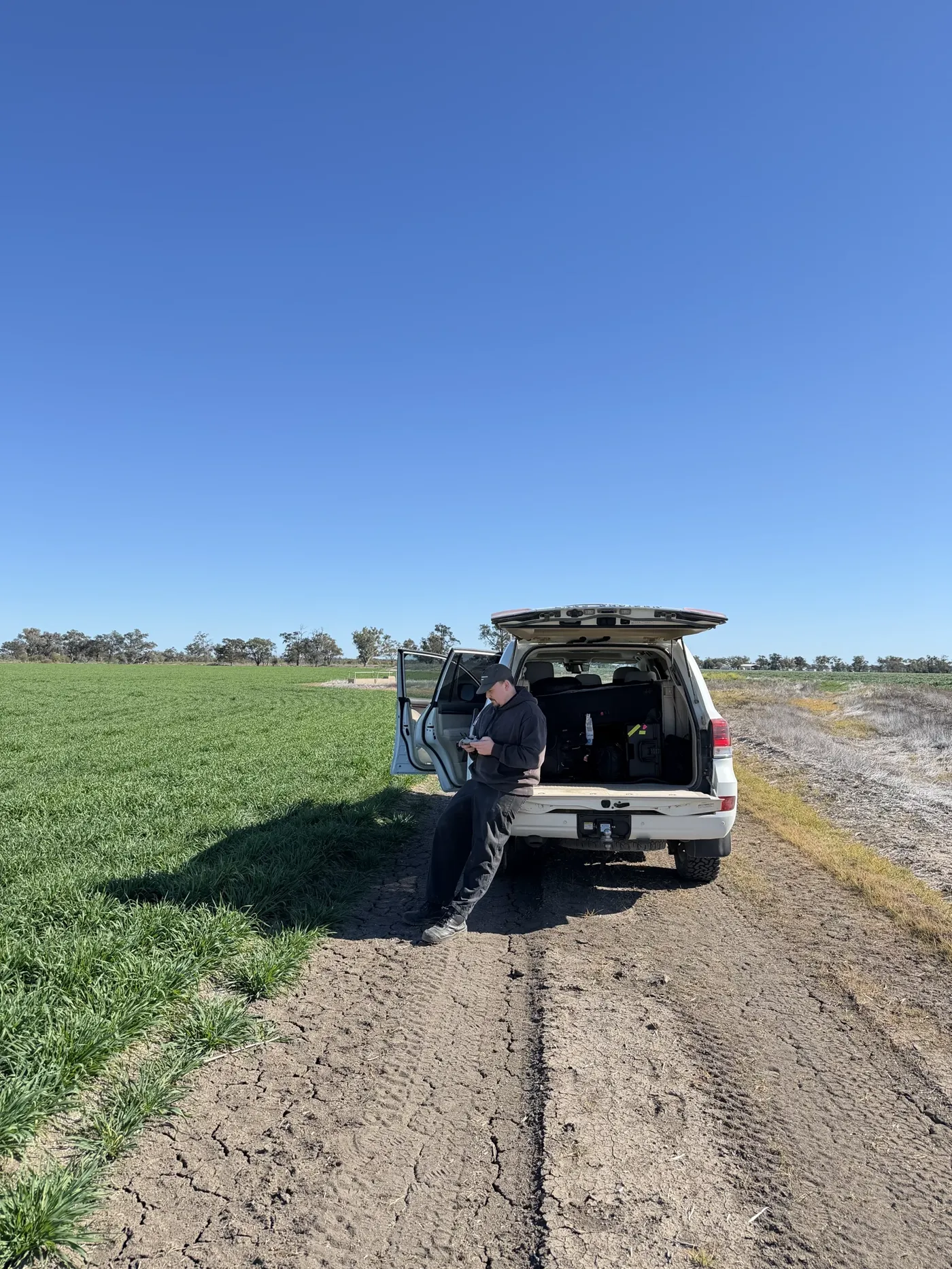
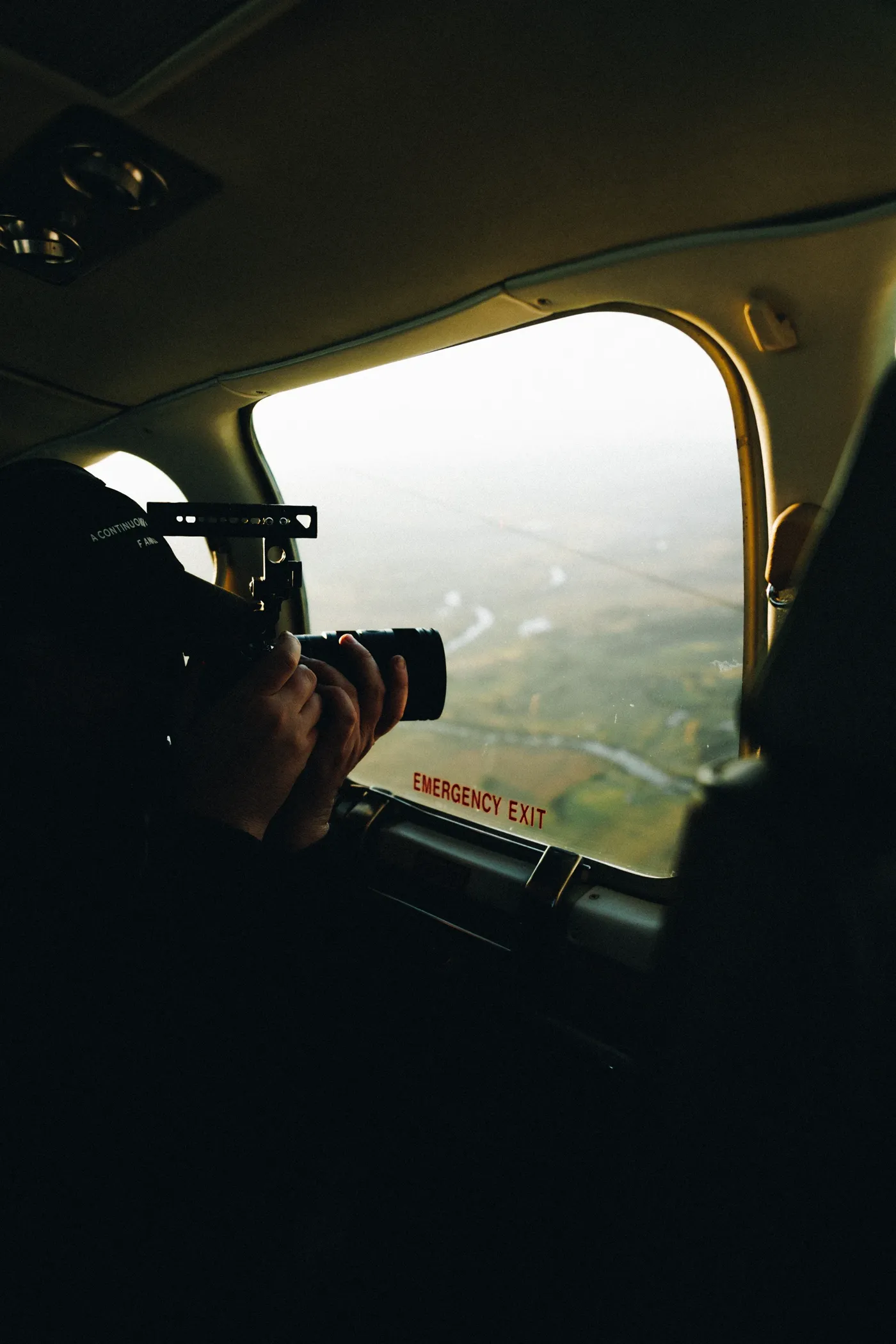
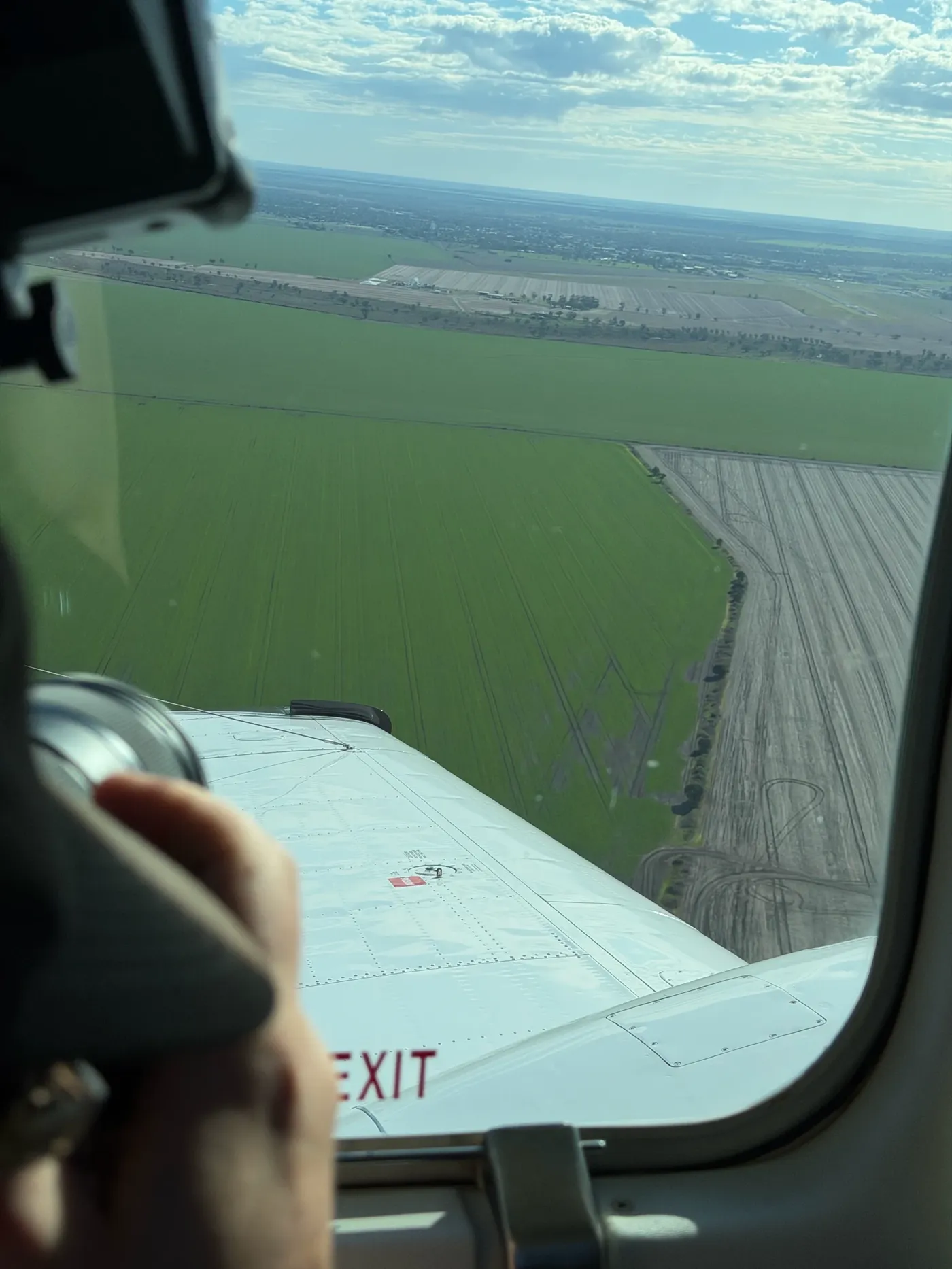
The farm is at Garah, out past Moree in northern New South Wales. There is no easy way to drive it from the coast in a morning, so day two started with a small private flight from Ballina to Moree and then a long drive out through the paddocks.
That kind of travel day usually reads as dead time. It is not. Coming in low over the crop lines is the clearest look you get at the scale of the place, and the camera was out of the bag before the wheels were.
Days two and three: the farm
The farm days were about origin. Where the product actually comes from, and who it comes from.
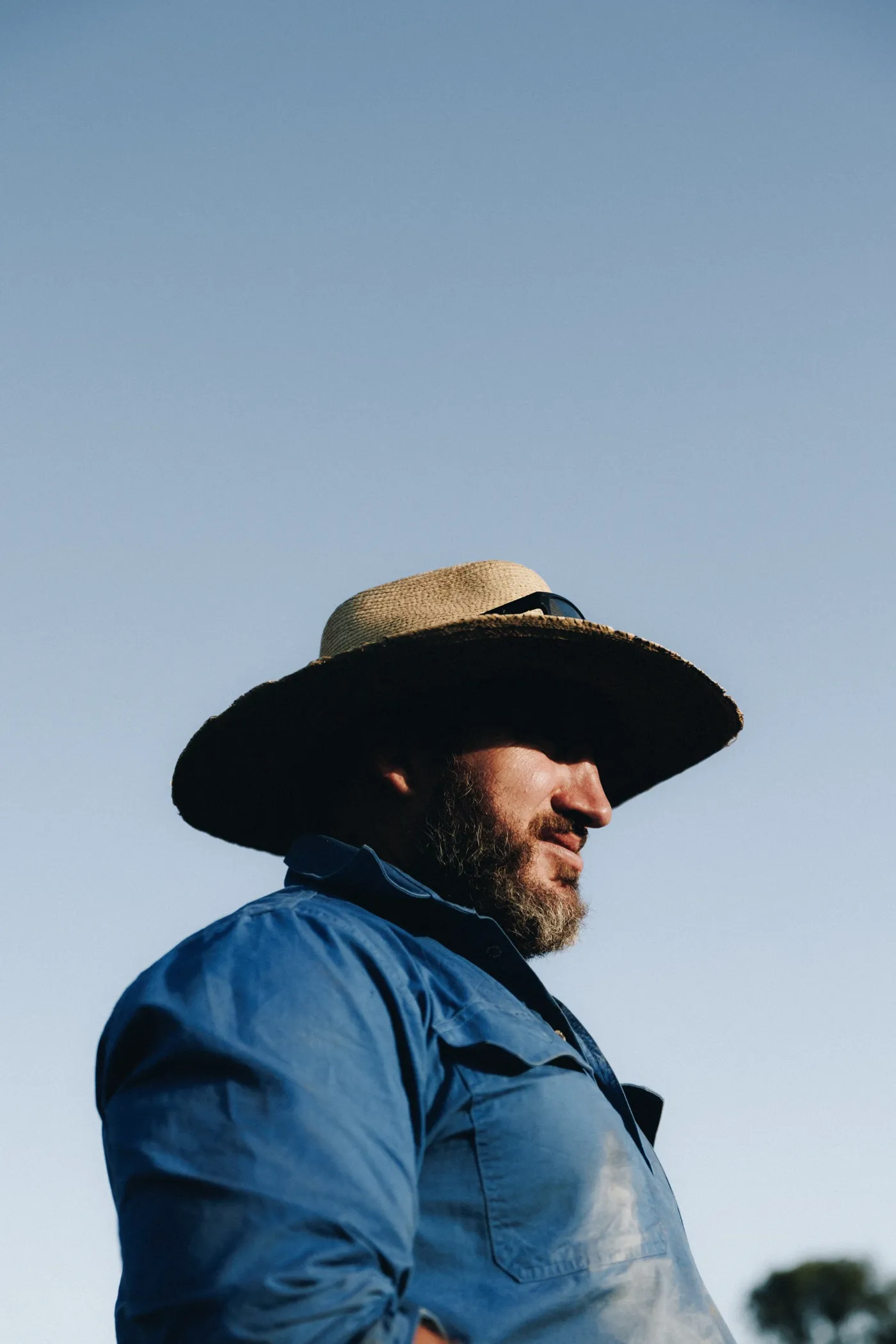
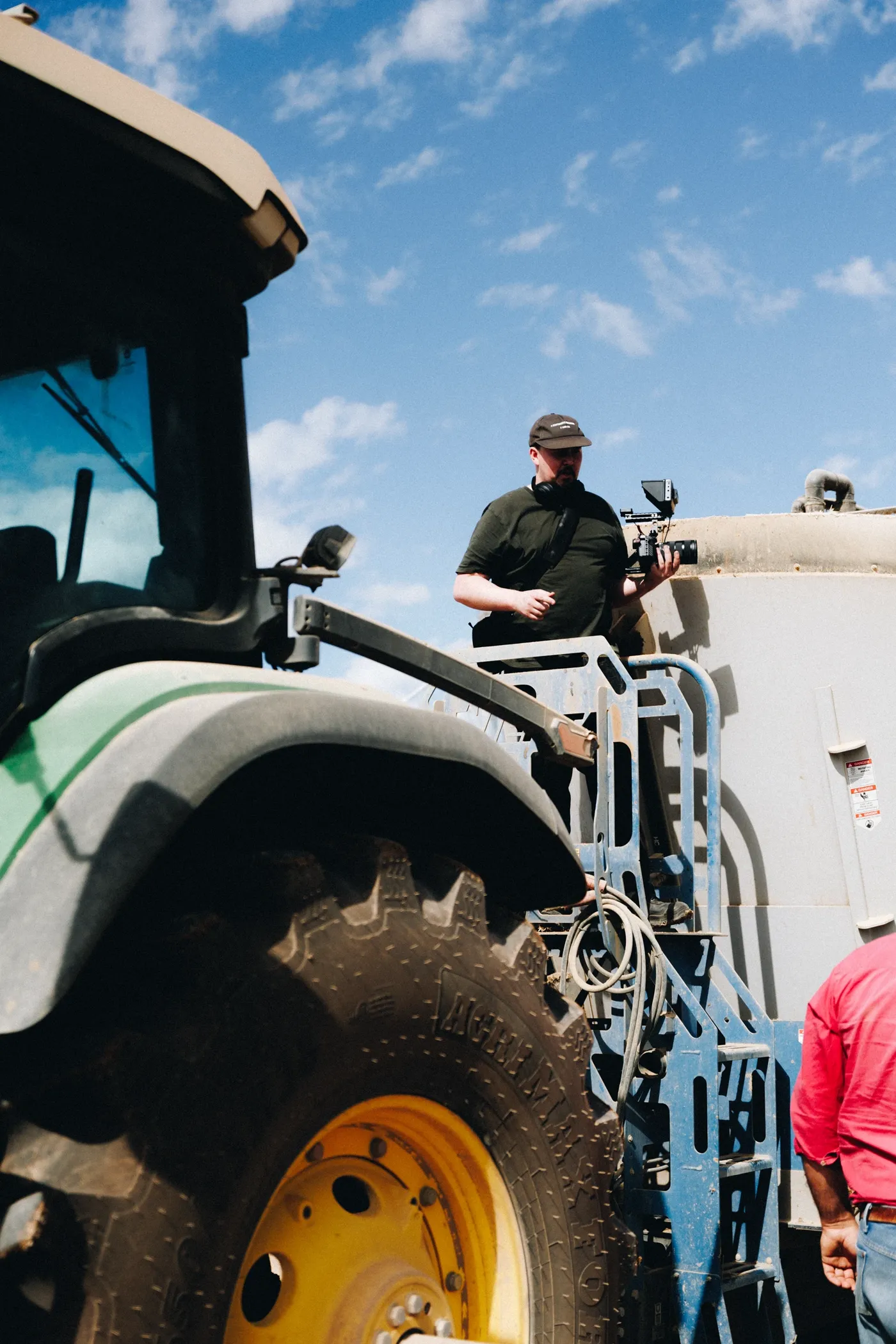
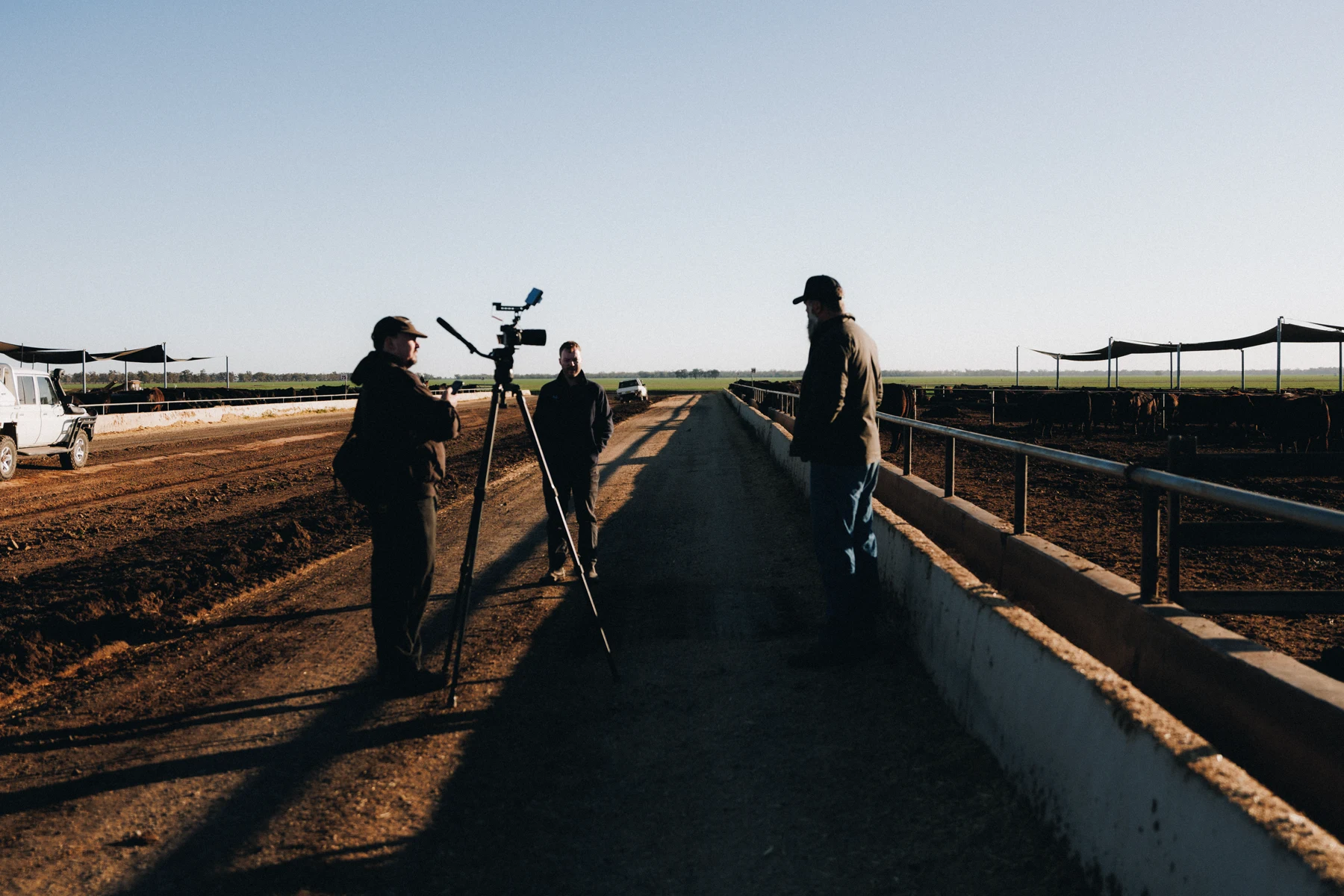
We covered the feedlot, the crop, the machinery and the cattle, and spent as much time on the people as on any of it. Origin stories only work if someone credible is telling them, so the interviews with the family and the crew running the place were the pieces we protected in the schedule.
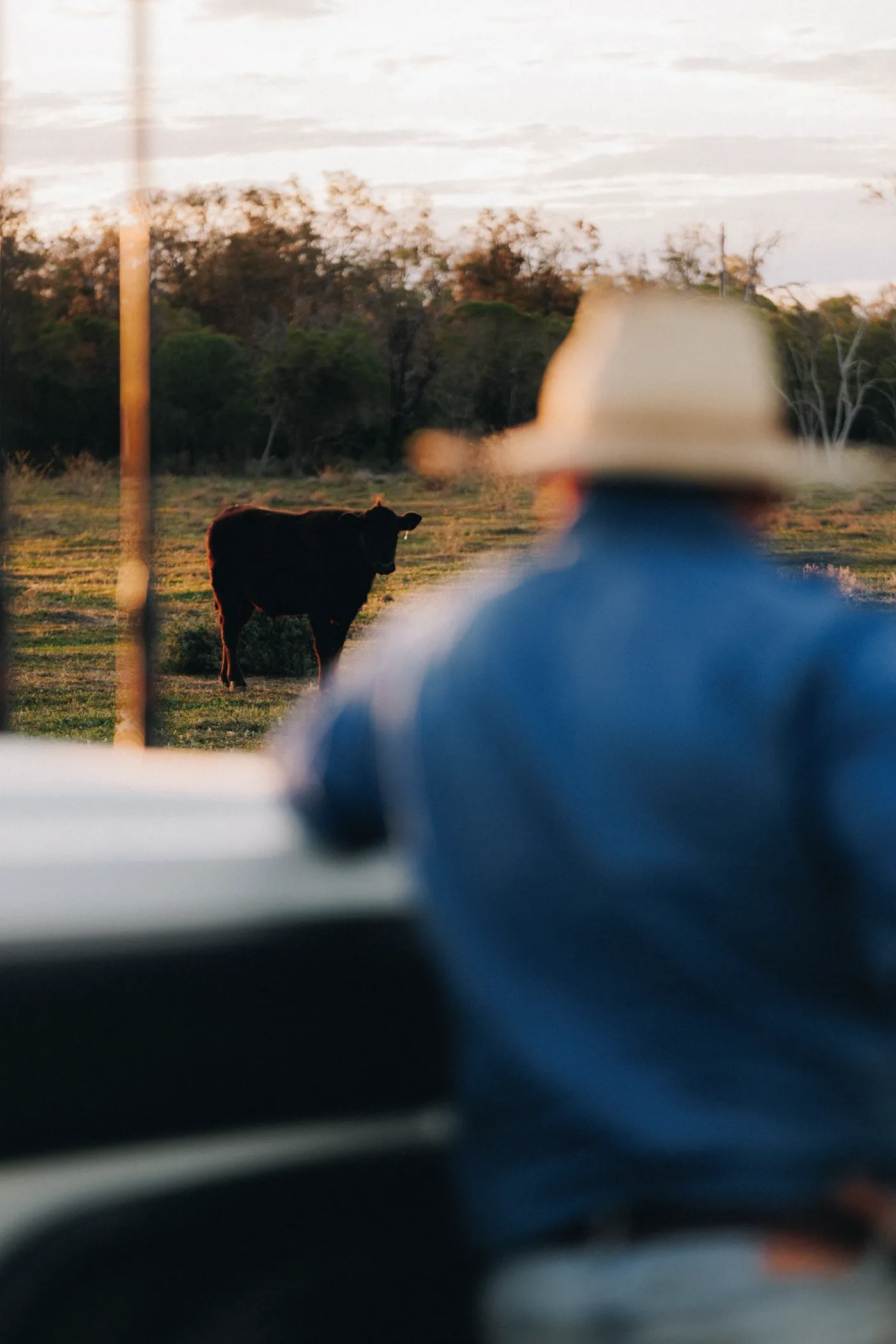
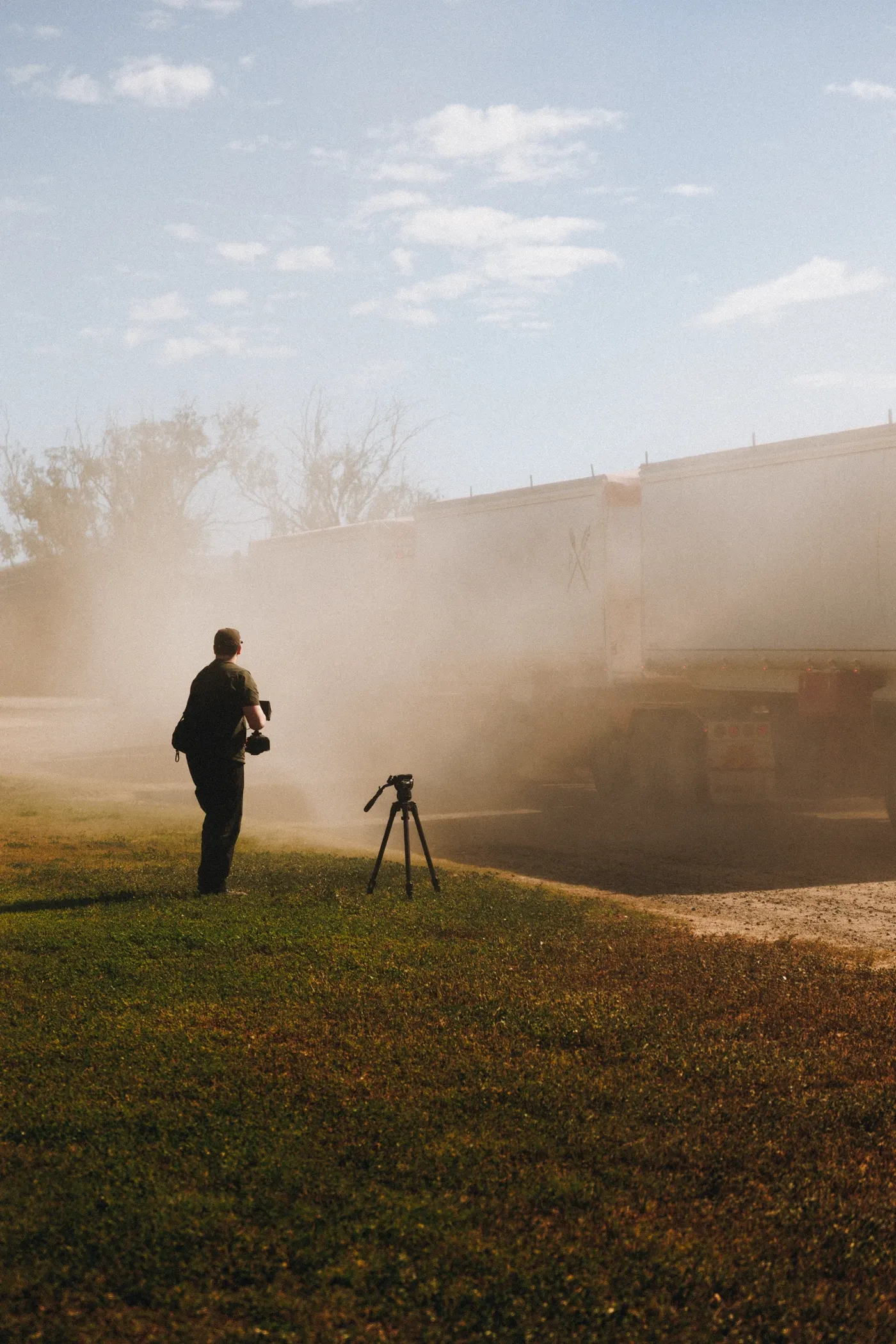
Culture is the part you cannot script. It is the way a grazier stands at a fence line, the dust off a road train, someone eating lunch off the back of a ute in the middle of a paddock. You get it by being there for three days rather than one.
Sunrise and sunset, both days
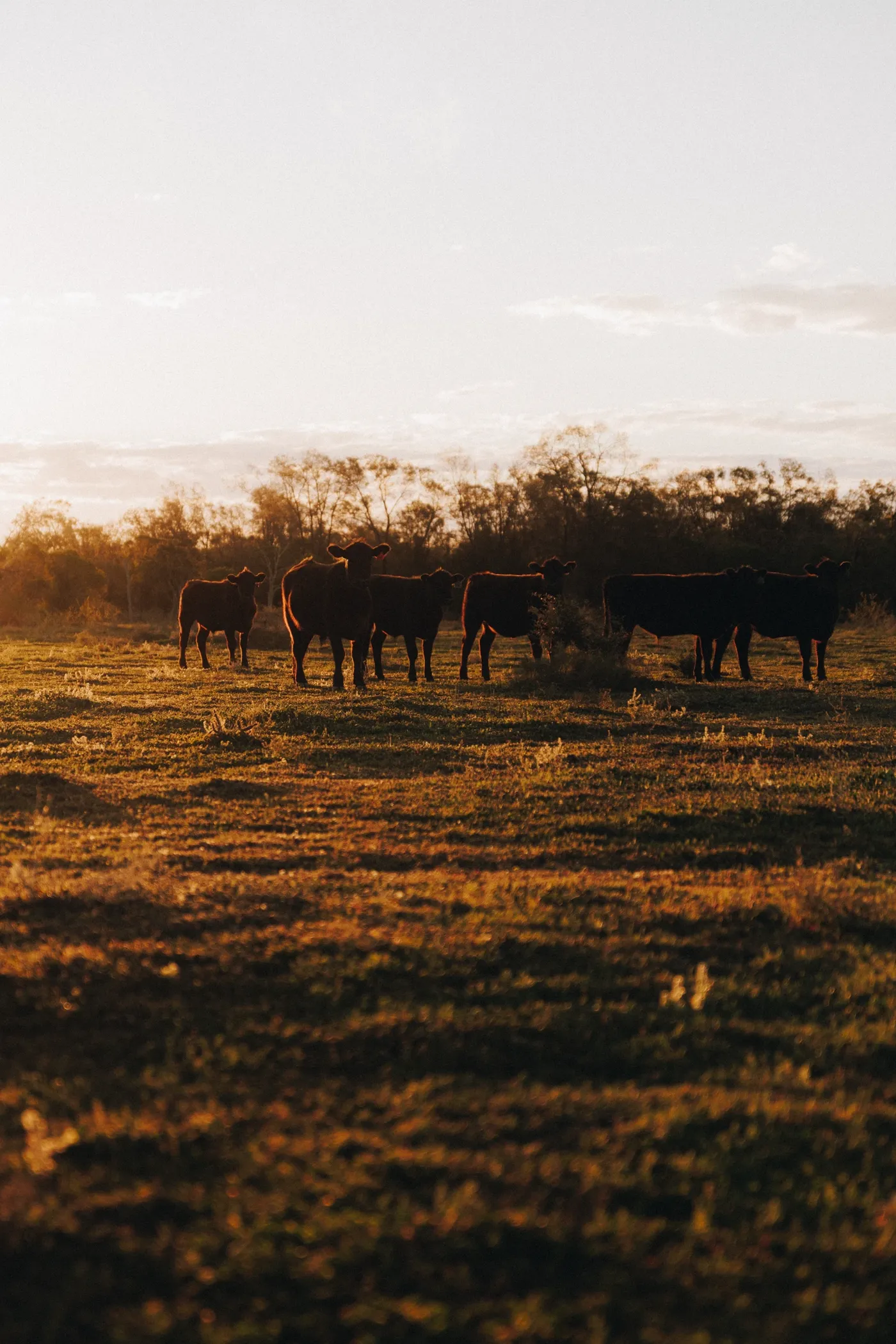
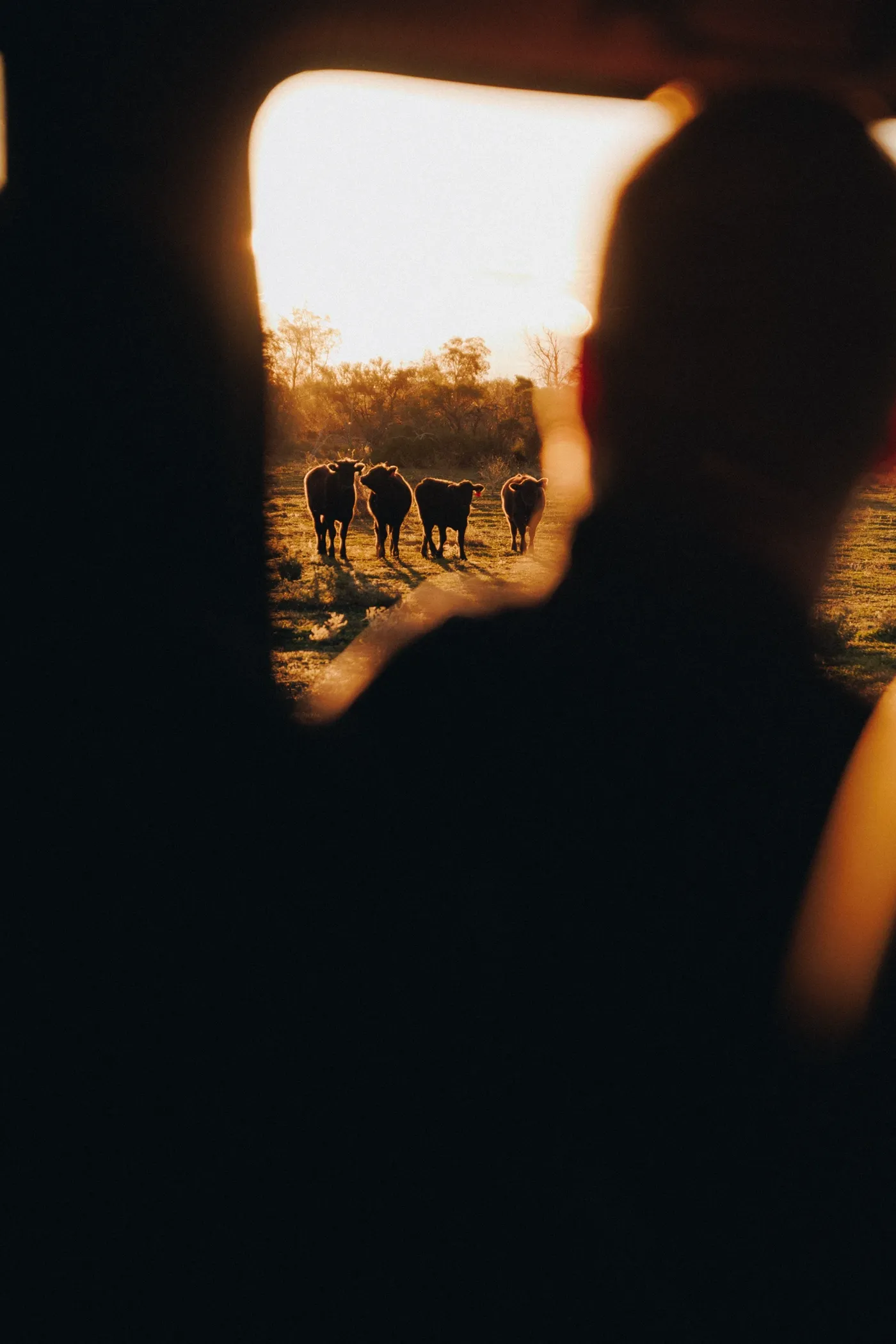
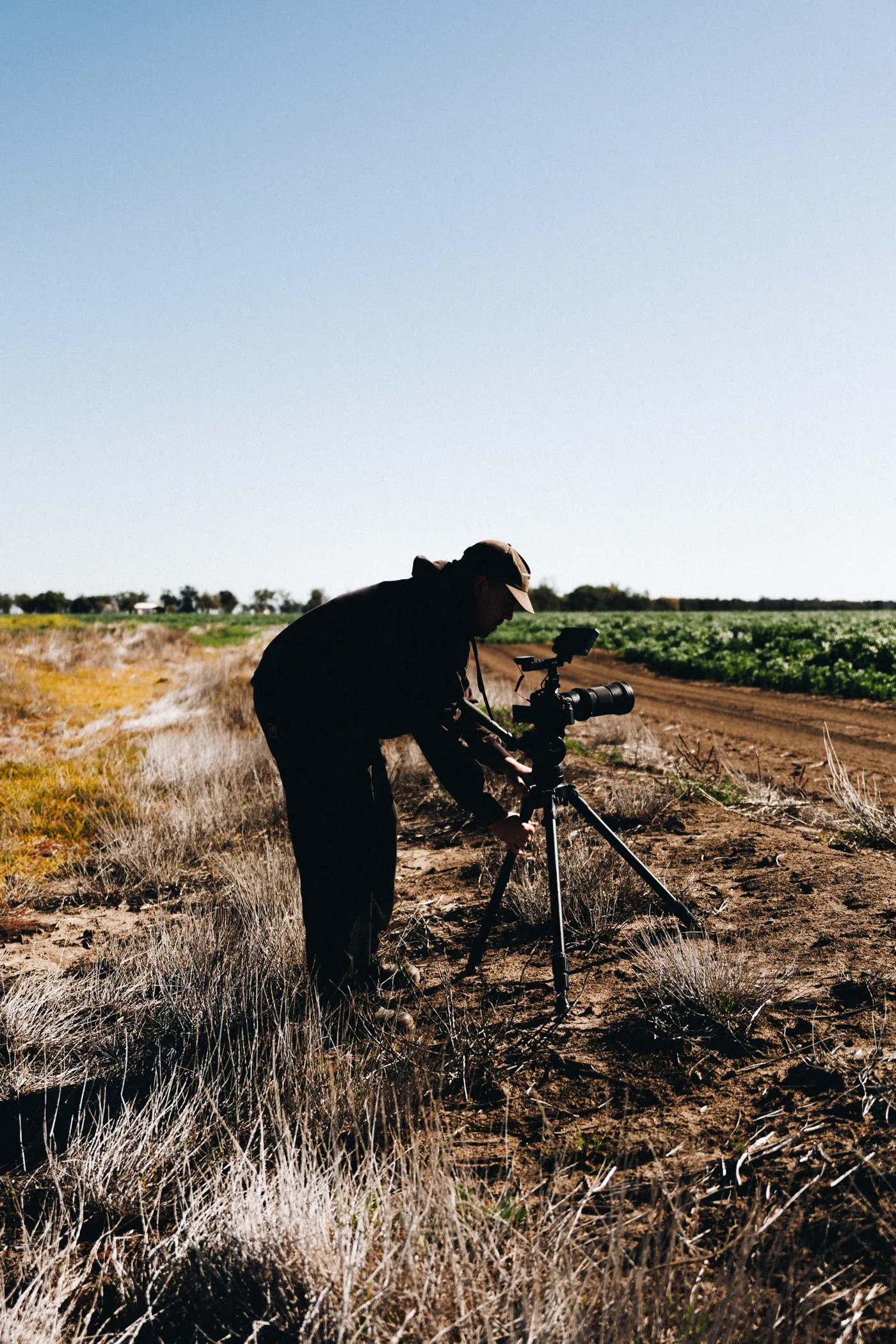
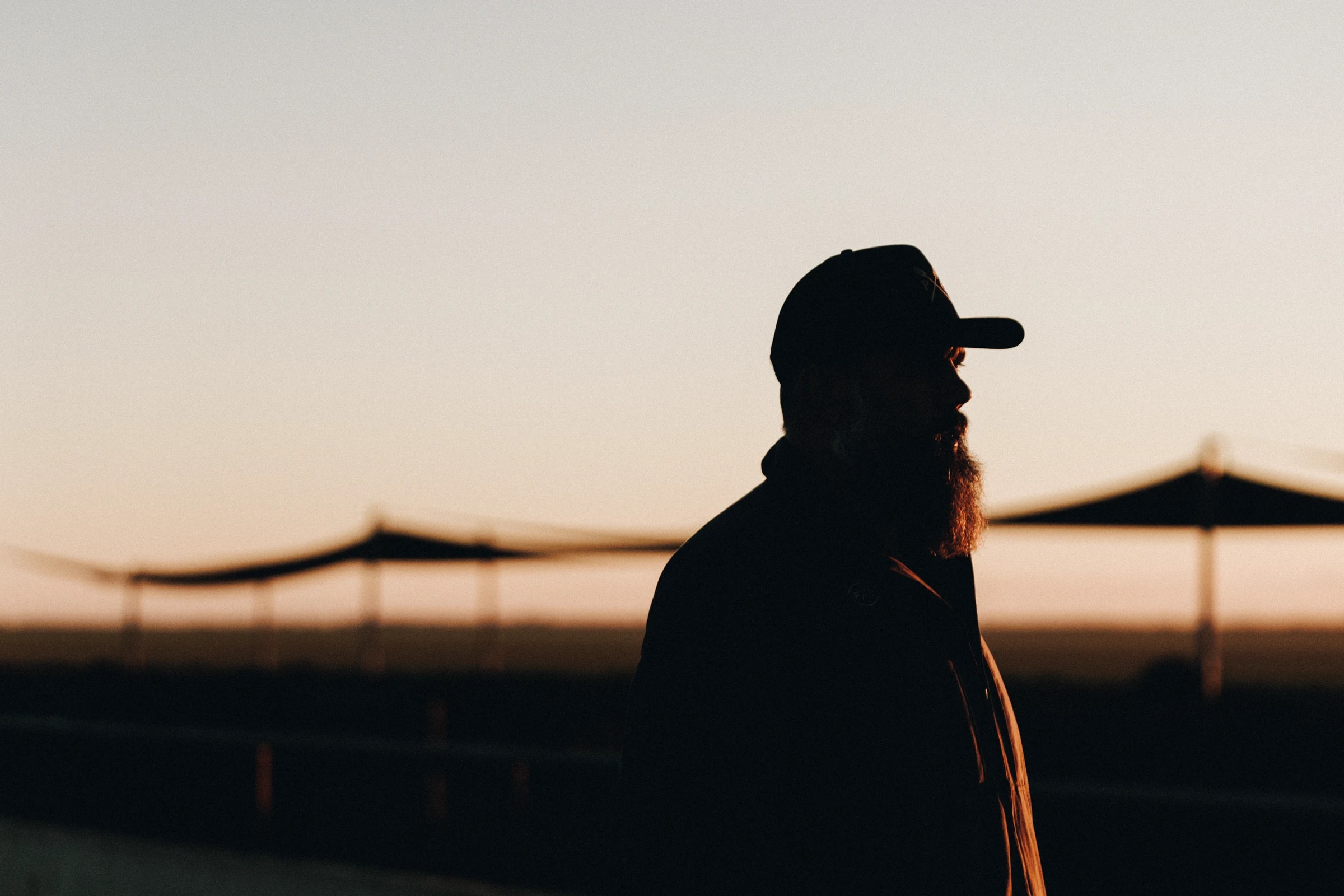
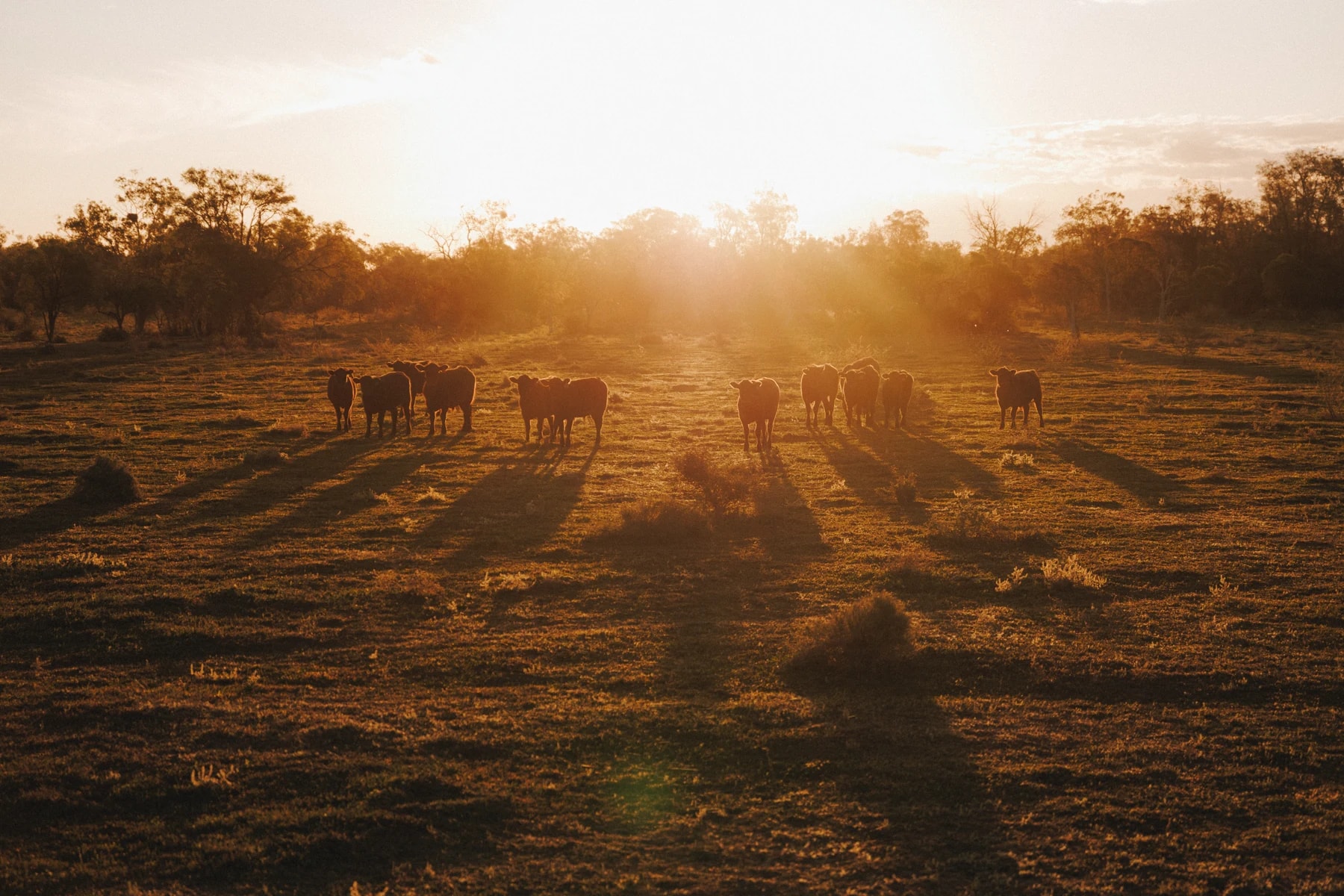
Out there the light does the work, and it only does it twice a day. So the beauty coverage was booked around it: up before dawn for the cattle in the paddock, back out again for the last hour before dark.
It makes for long days. Crew call in the dark, wrap in the dark, with the middle of the day used for interviews, detail and anything under cover. Worth it, because that hour of light is the difference between footage of a farm and footage that makes you want to go to one.
Three days, and the edit will feed a year: recipe films, vertical cutdowns, origin story pieces, print, and the trade show set. One shoot, most of a content calendar.
The case study
See the Providore Global case study
Photo, video and social for the Tallawanta range.