

Behind the scenes: filming the mecwacare brand film, three lives in three settings
How we made Neighbourly care starts with us for mecwacare: two shoot days, home care in Diamond Creek, residential care in Richmond and retirement living in Malvern, and a film built around the people rather than the services.
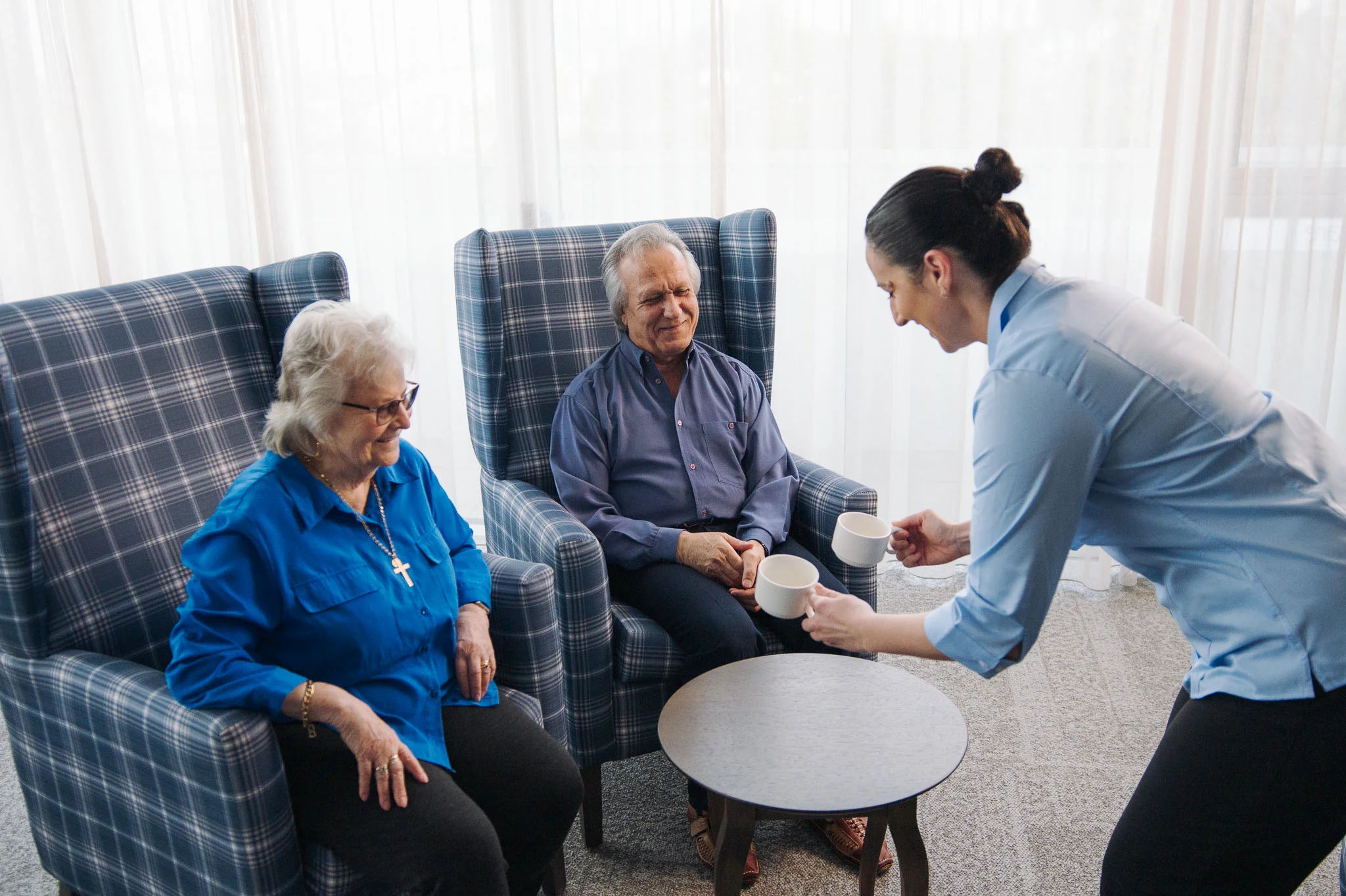
mecwacare has been caring for Victorians since 1959. Today the not-for-profit supports more than 20,000 people across the state, through home care, residential aged care and retirement living. When they came to us for a new brand film, the hard part was obvious from the start. Every aged care provider can list its services. Very few films make you feel anything about them.
We produced the brand film and the photography over two shoot days in August. This is how it came together from our side of the camera. The full film is below, and the stills and the film live together in the mecwacare case study.
Falling for the people, not explaining the services
The structure was set in pre-production, before anyone picked up a camera. The film opens on a person, not a place. It moves through three lives in three different settings and lands on one idea: life does not stop when the care begins, and the right care is what lets it keep going.
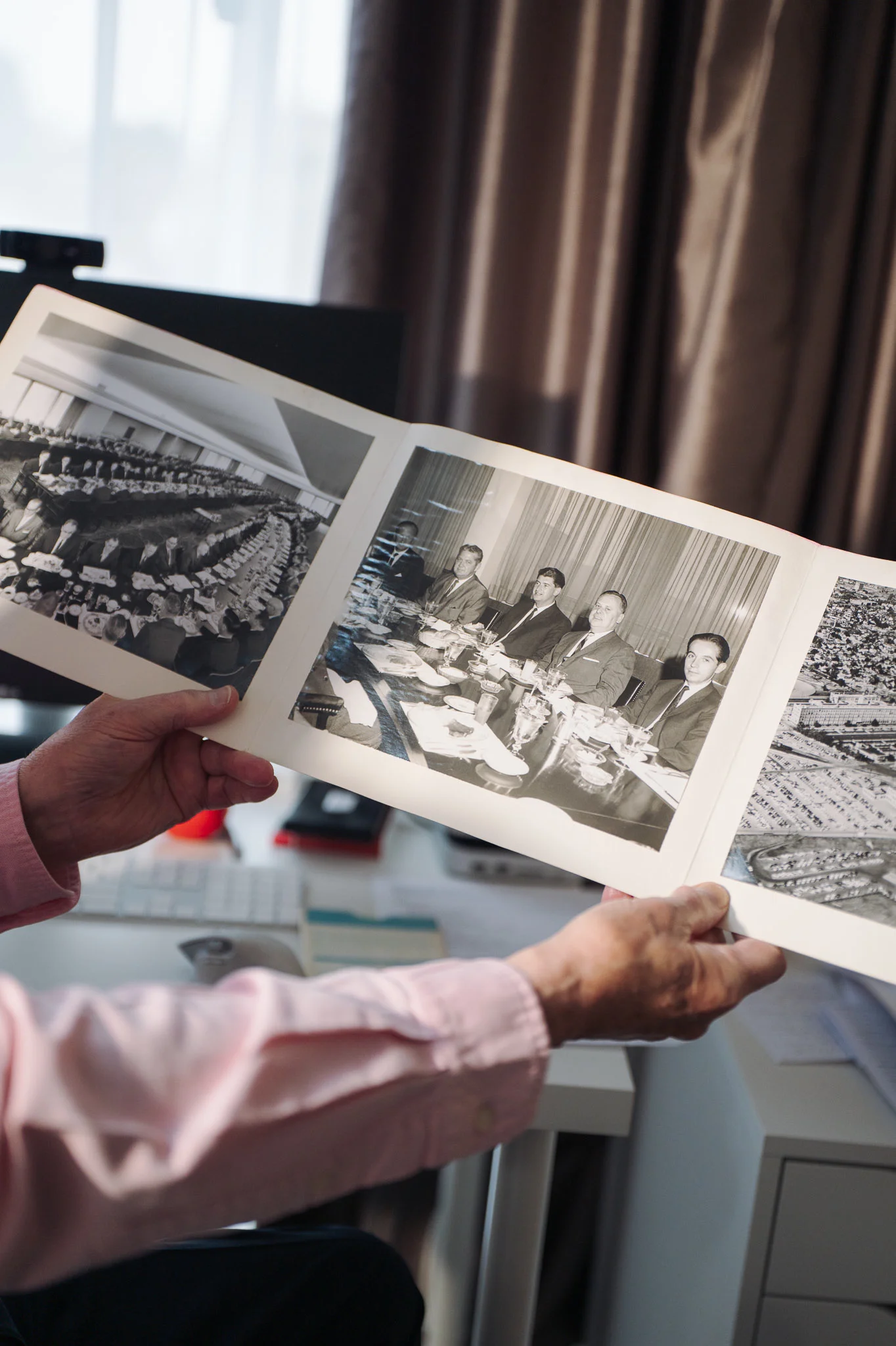
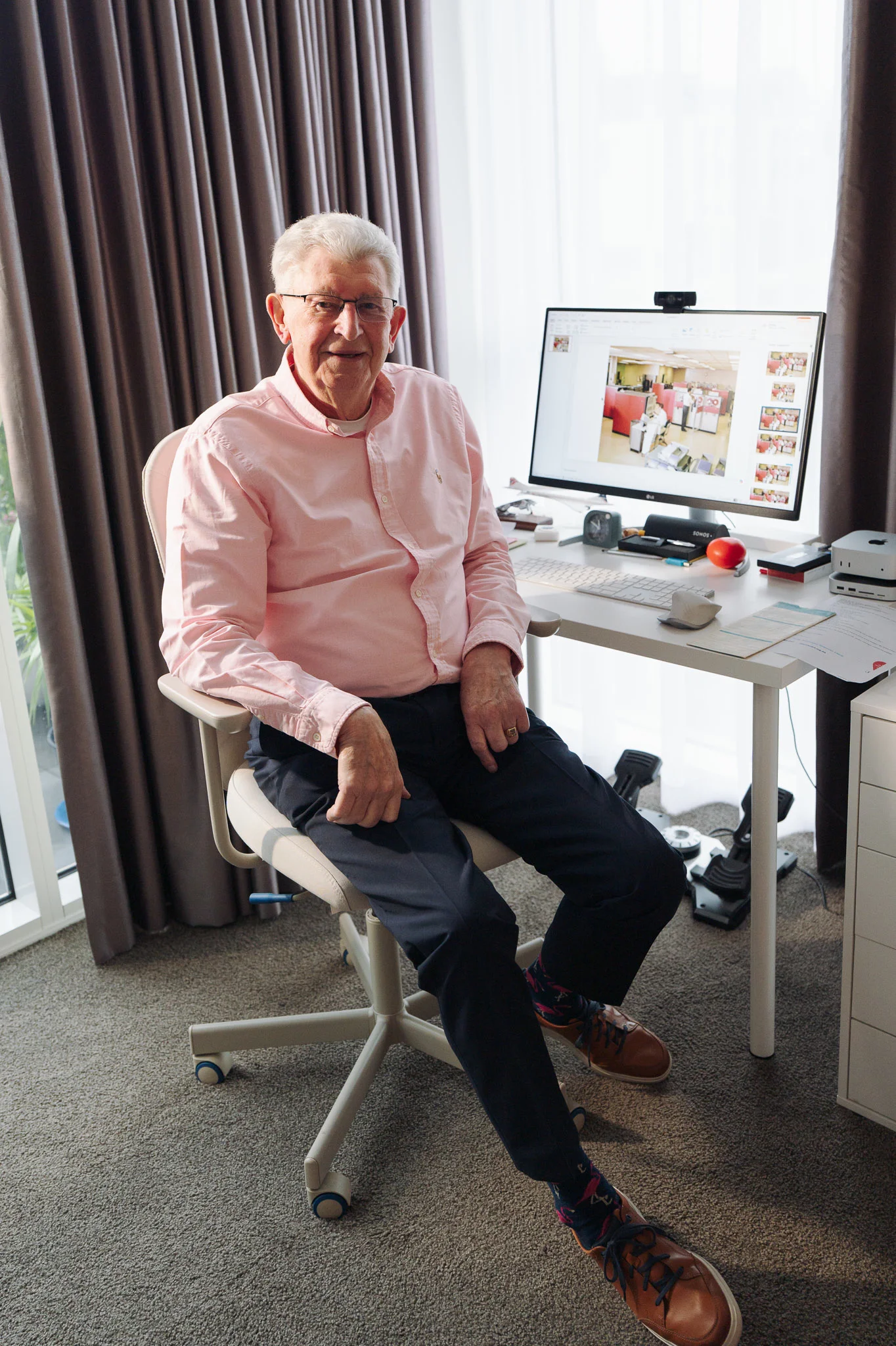
Each story was given one note. Tim, in retirement living at Robin Syme, is choice: forty years in IT, a decade as a pastor, and now the village's unofficial cinema operator and the man everyone finds when their iPad stops working. Lillian, at home in Diamond Creek, is continuity: fifty years of school canteens, soccer club fundraising and op shop shifts, and now mecwacare comes to her so she can stay in the middle of it. Savas and Georgia, at John Hood Terrace, are belonging. CEO Anne McCormack frames the organisation at either end, then steps aside so the people can speak.
Research first, then questions
Before the shoot we built a profile for every interviewee from mecwacare's background notes: where they grew up, what they did for work, how mecwacare came into their life. From those we wrote each person their own set of questions. Not one script for everyone, but questions that lead somewhere only that person can go. Tim got asked about the cinema. Kelvin got asked what it was like when the care conversation started.
The questions are a map, not a script. In the room we keep it conversational and let people wander. The aim is the moment someone stops answering a question and starts telling you about their life.
Day one: Diamond Creek
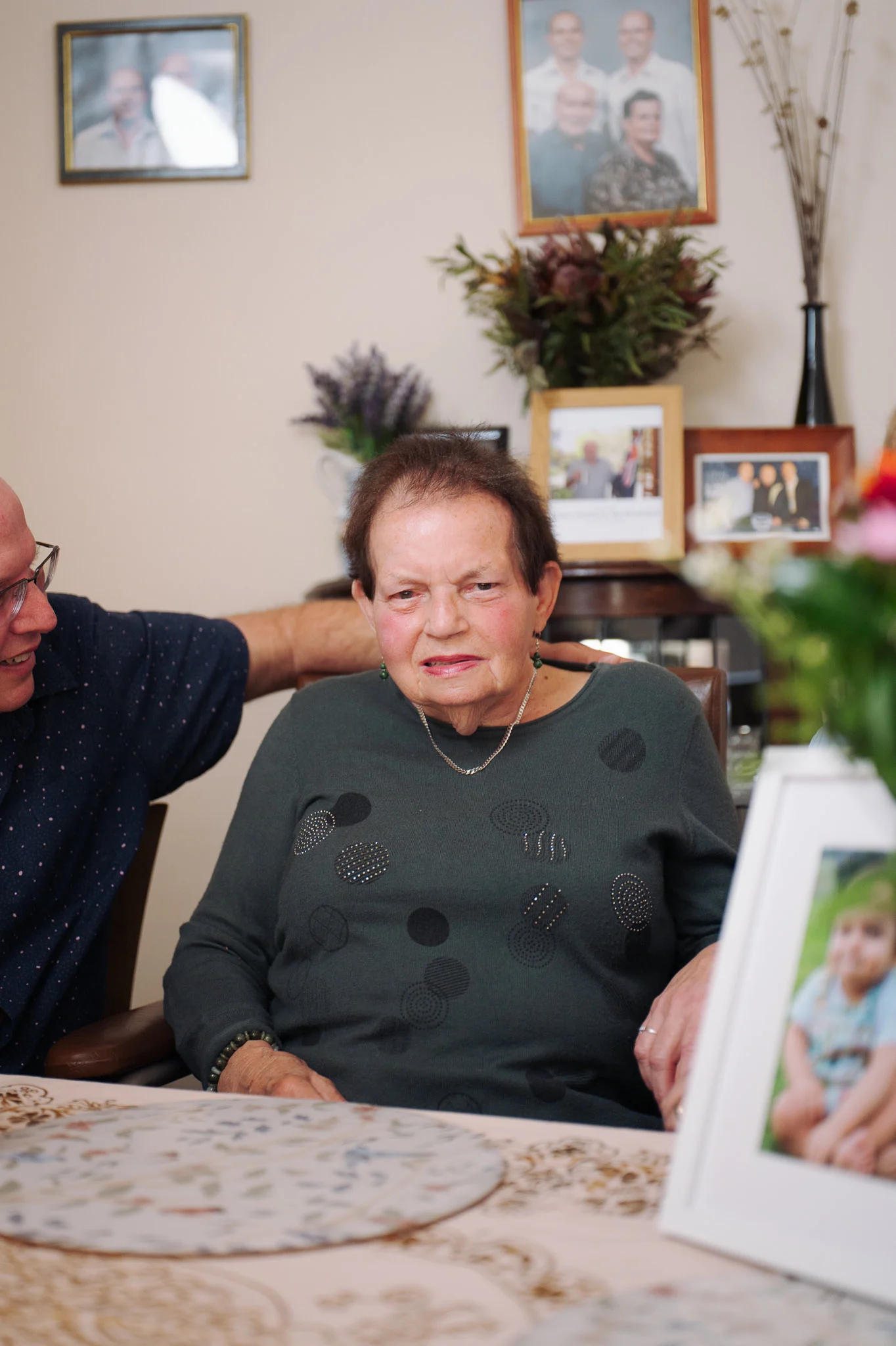
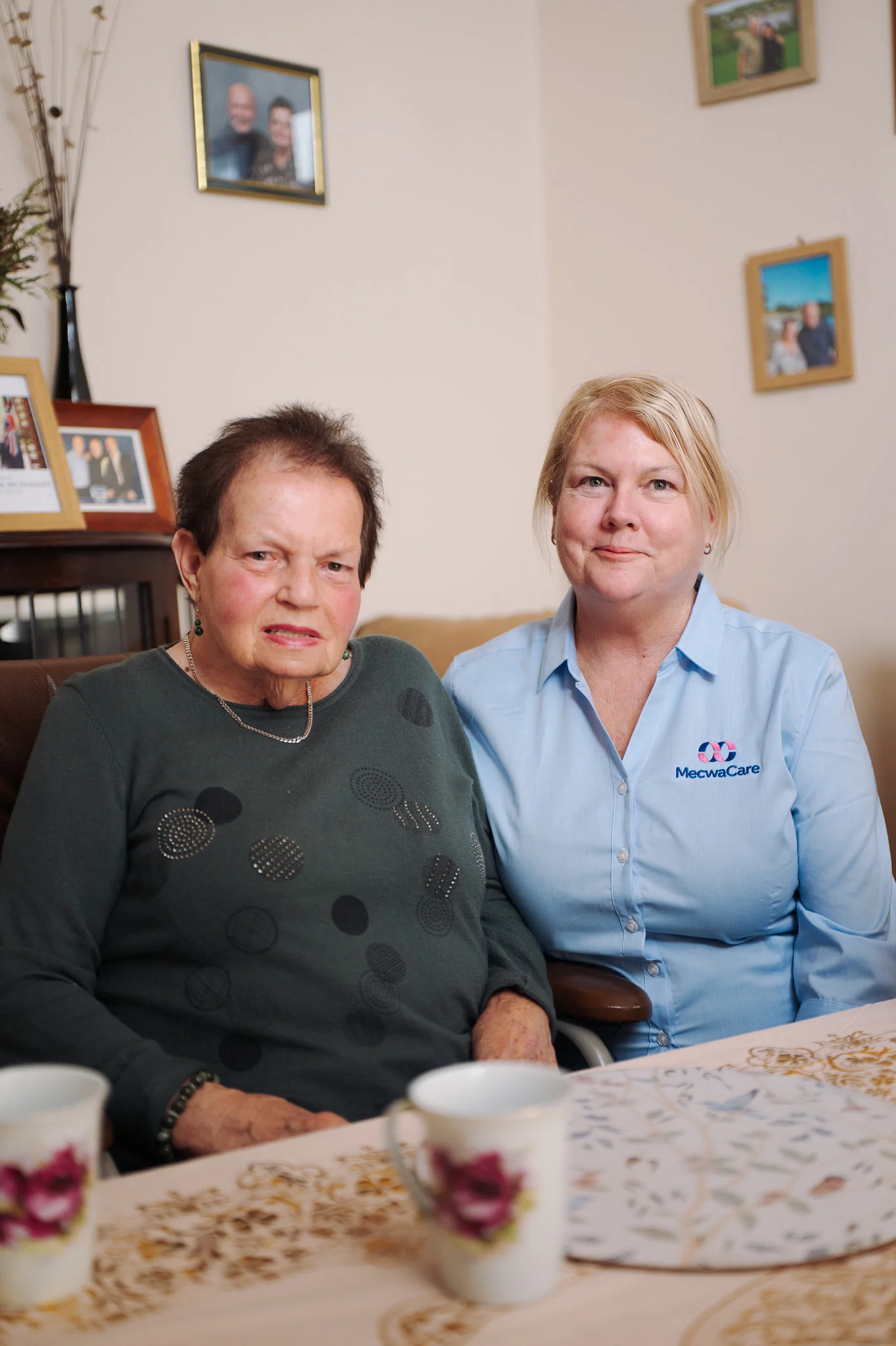
The first day was a single interview at Lillian's home, with her son Kelvin beside her. Two cameras, so we could hold both of them and cut between mother and son without breaking the conversation. Lillian is the kind of person a community is built around, and her "can do, will do" spirit came through the second the cameras rolled.
Kelvin gave the film something it could not get anywhere else: the family's side. What it is like to watch a parent need help, and what it means to know someone is coming. After the interview we stayed for the small things, the cups of tea and the carer in the kitchen, because that is what good care actually looks like day to day.
Day two: Richmond, then Malvern
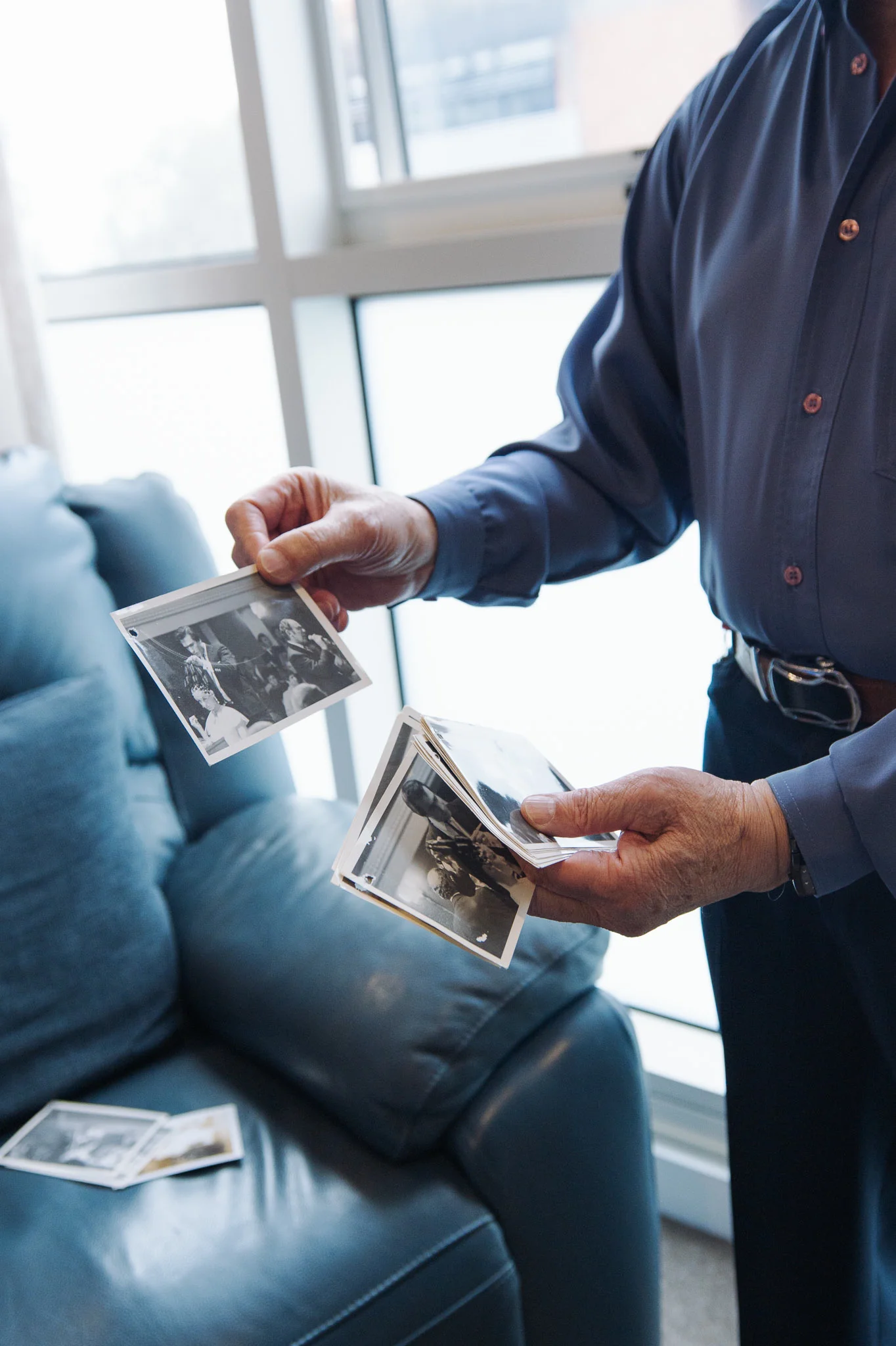
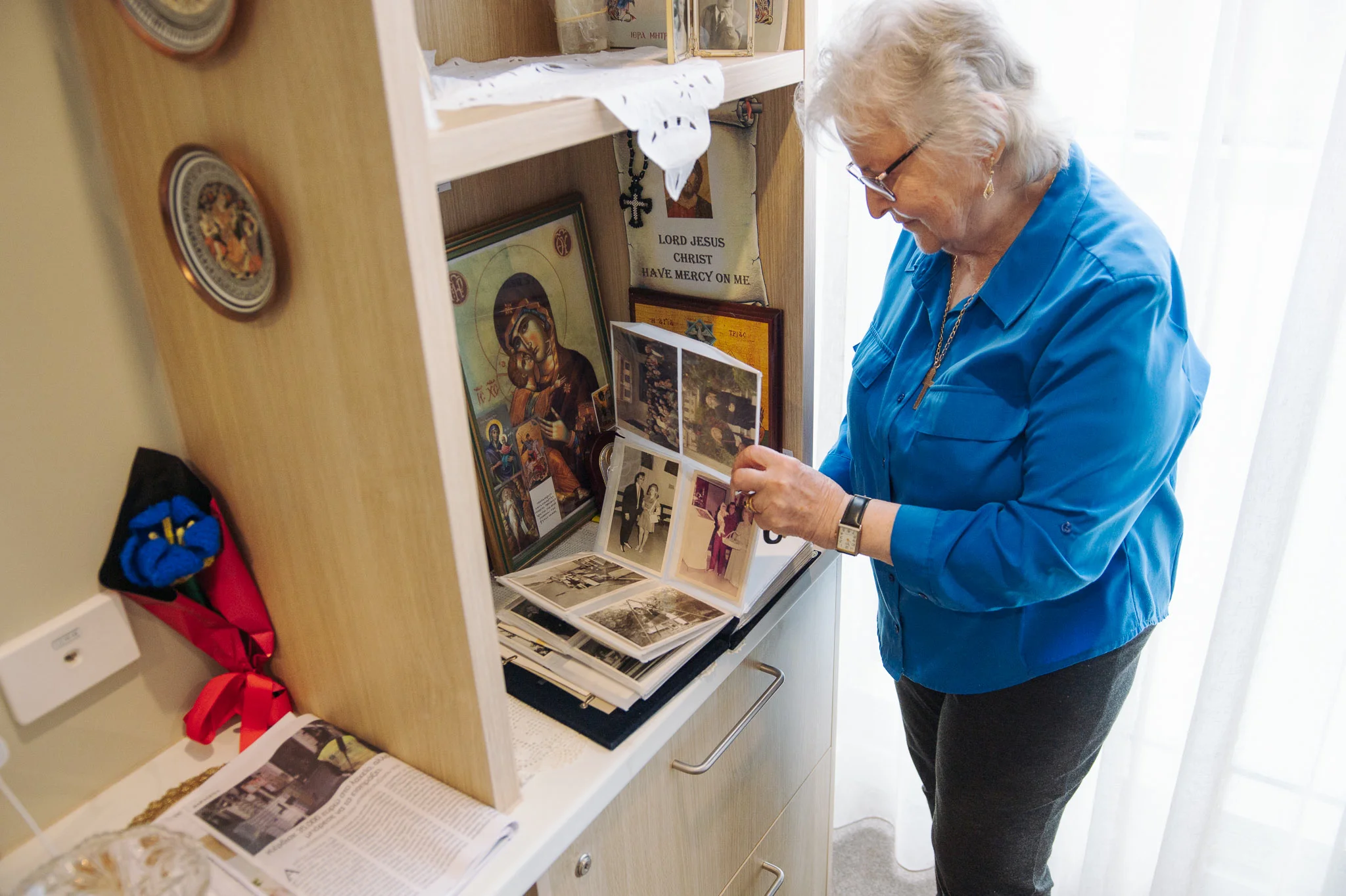
Day two was three interviews across two sites. We started at John Hood Terrace in Richmond with Savas and Georgia. Savas worked as a personal carer for 19 years and now lives in care himself, alongside Georgia, his wife of sixty years. He understands aged care from both sides, which almost nobody does, and he speaks to something specific: people should be able to stay culturally at home wherever they live.
The details carried that part of the story. The icons on the shelf, the wedding photos, the albums Georgia brought out between takes. We filmed and photographed them as part of the home, not as props.

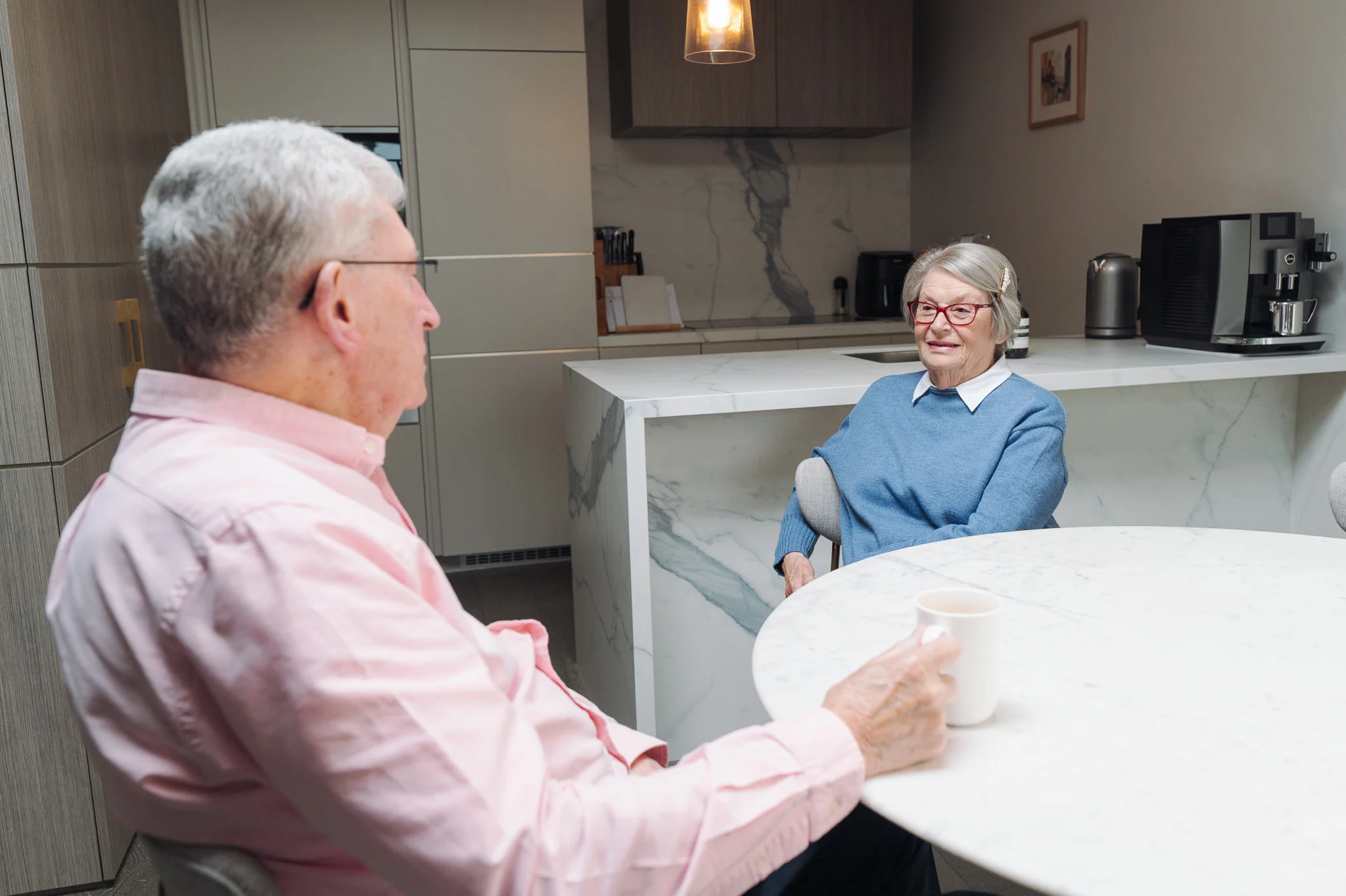
Then we packed down and moved to Robin Syme in Malvern for Tim and his wife Diana, and after lunch, Anne. The CEO interview is the one that holds the film together, so it got the most careful setup of the day: two cameras, a big soft source off to the side, and the room dressed to feel like a home rather than a boardroom. A few clips from the phone while we set up and rolled.
Making people comfortable on camera
None of the people in this film are performers, and most had never sat in front of a cinema camera. So most of the work happens before we roll. We arrive early, set up quietly, have a cup of tea, and talk about anything other than the interview. By the time the cameras are on, it should feel like the same conversation carrying on.
That care is what mecwacare noticed most. In their words, the team was always warm and respectful with the interviewees, helping them feel comfortable in front of the camera and letting their personalities shine through. For a film about care, it would have been strange to make it any other way.
What we delivered
The main deliverable is the brand film, Neighbourly care starts with us, running four and a half minutes and landing on the refreshed mecwacare brand. Alongside it we cut a 60 second vertical version for social and delivered a photography series across all three settings.
It is a good example of how we approach brand video: find the people, do the research so the interviews go somewhere, and let the story carry the message instead of the voiceover. The film and the full set of stills sit together in the case study.
Frequently asked questions
- What did Lucky Boy produce for mecwacare?
- The brand film Neighbourly care starts with us, a 60 second vertical cut for social, and a photography series across home care, residential aged care and retirement living. We also wrote the film structure and the interview questions in pre-production.
- How long did the shoot take?
- Two days. Day one was a home care interview in Diamond Creek. Day two covered residential aged care at John Hood Terrace in Richmond, then retirement living and the CEO interview at Robin Syme in Malvern.
- How do you make people comfortable in an interview?
- Research each person beforehand so the questions are theirs, arrive early and set up quietly, and keep the interview conversational rather than scripted. Most of the work happens before the cameras roll.
The case study
See the mecwacare brand film
The film and the full set of stills, from Diamond Creek to Malvern.